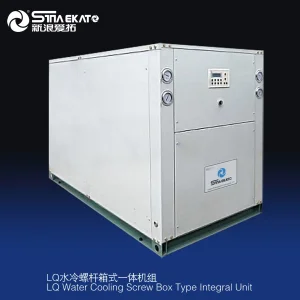
In the modern industrial landscape, a High-Quality Circulating Water Cooling System is no longer just a utility—it is the heartbeat of precision manufacturing. As global industries shift towards Industry 4.0, the demand for intelligent, energy-efficient, and highly stable cooling solutions has reached an all-time high. This white paper explores why top-tier suppliers and factories are redesigning thermal management systems to meet the rigorous demands of the cosmetic, pharmaceutical, and chemical sectors.
Modern factories are under immense pressure to reduce their carbon footprint. Next-generation cooling towers now utilize variable frequency drives (VFD) and optimized fluid dynamics to reduce energy consumption by up to 40% compared to traditional models.
Smart sensors integrated into the water circuit monitor flow rates, temperature differentials, and mineral scaling in real-time. AI algorithms predict pump failures before they occur, ensuring zero-downtime operations.
Water scarcity has driven the trend toward closed-loop systems. These systems minimize evaporation loss and chemical discharge, making them both environmentally compliant and cost-effective over the long term.
For a global supplier, staying ahead means integrating Information Gain into every design—providing not just a machine, but data-driven insights that help clients optimize their production batch times and product quality. In the cosmetic industry, for instance, a 1°C fluctuation in cooling can alter the viscosity of a high-end cream, potentially wasting thousands of dollars in raw materials.
Procurement departments in multinational corporations (MNCs) have moved beyond "price-per-unit" metrics. When scouting for a Circulating Water Cooling System Factory, they focus on Total Cost of Ownership (TCO) and Reliability (E-E-A-T). Key requirements include:
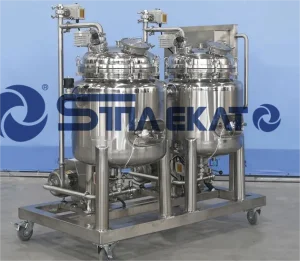
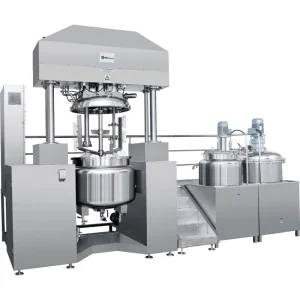
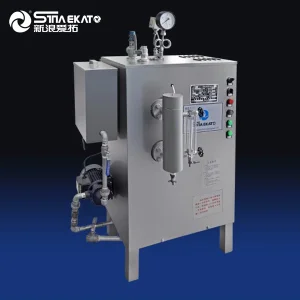
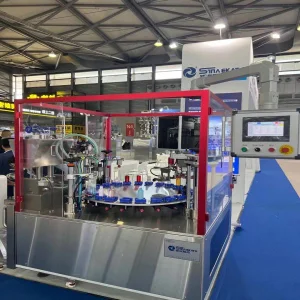
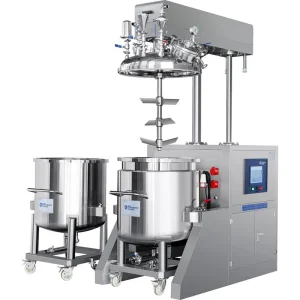
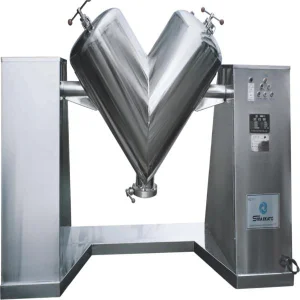
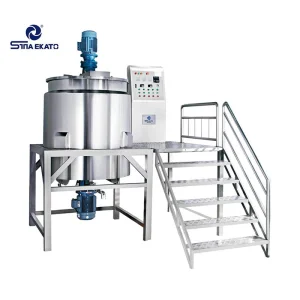
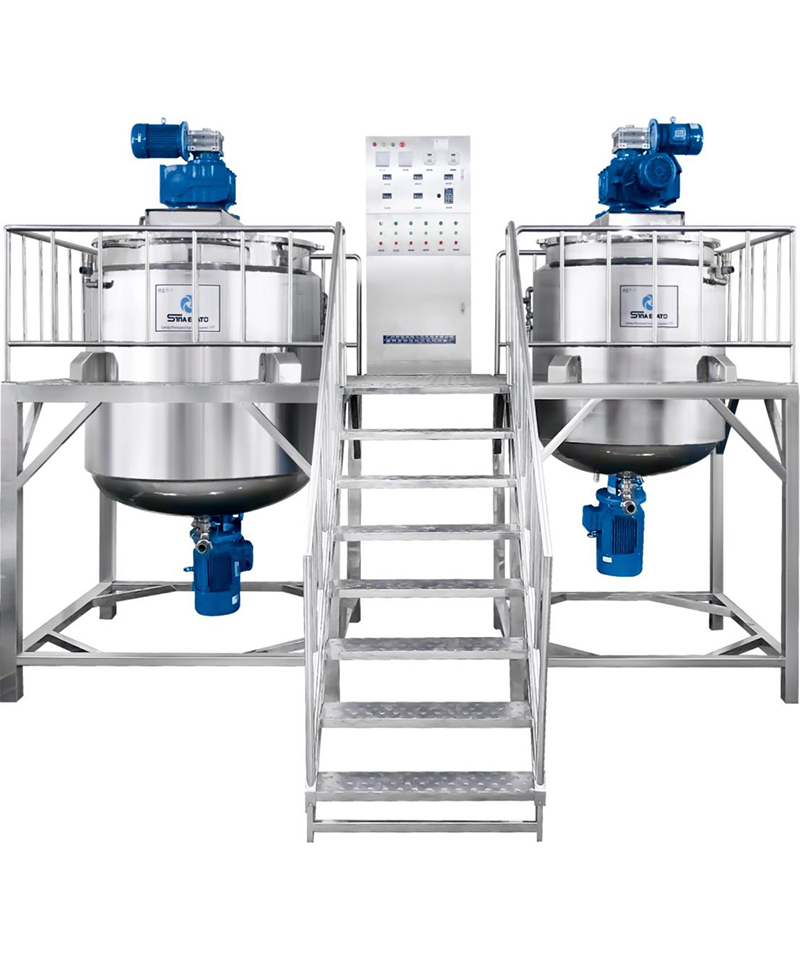
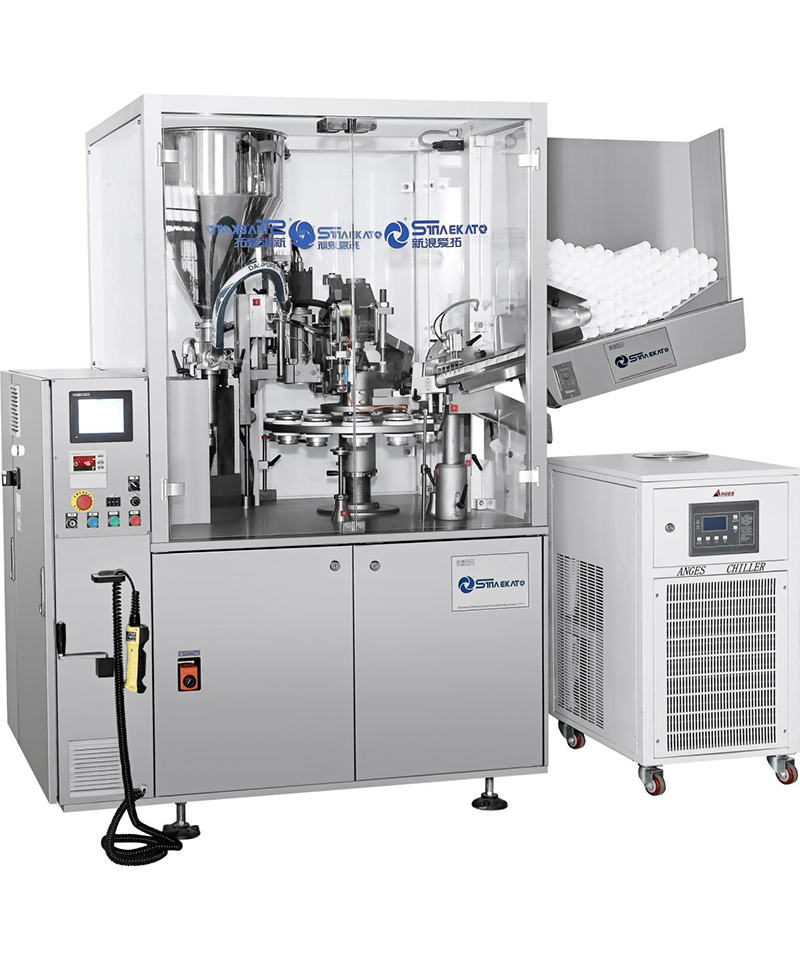
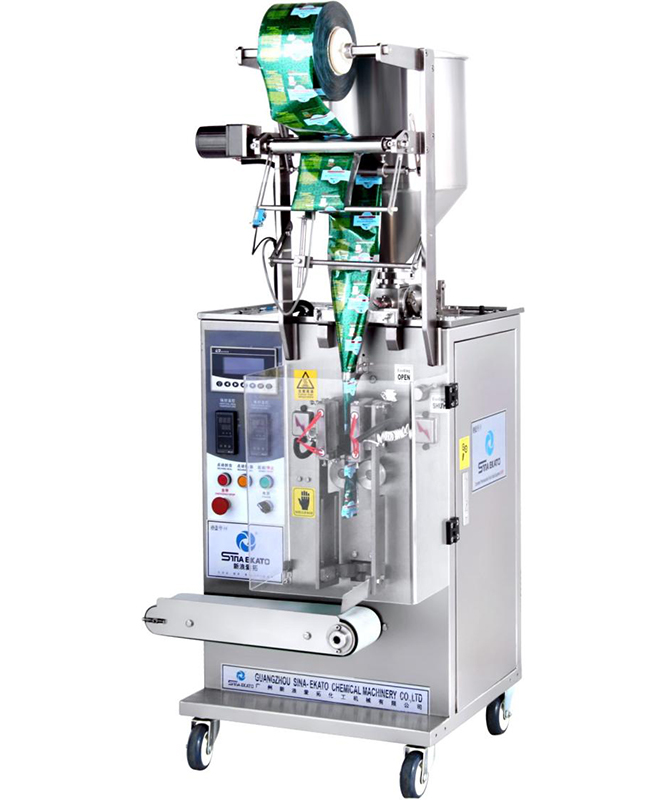
A truly professional manufacturer provides a Macro Industrial Solution. This includes the integration of the cooling system with the core production machinery. For example, our cooling systems are specifically optimized for:
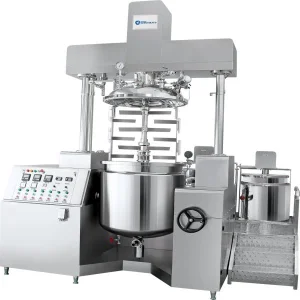
Rapid cooling of the internal jacket after a high-temperature emulsification process is critical to stabilizing the oil-water interface. Our systems provide a high-velocity flow to crash-cool batches without thermal shock to the vessel.
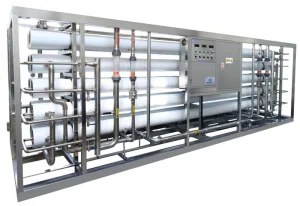
Controlling the temperature of the feed water is essential for membrane longevity and filtration efficiency. We integrate the cooling loop directly into the RO control logic.
1. Mutual Communication (On-site visit if need)
2. Professional Design & Technical Confirmation
3. Sign PI & Contract
4. Production (Cutting & Welding & Installation)
5. Testing Video & FAT In Factory
6. Export Wooden Packing & Shipping
7. Installation Assistance (Video or On-site)
Years of Engineering Experience
Countries Exported To
Patent Certificates
FAT Success Rate
Completed Projects
Our R&D department is focused on the next frontier of industrial cooling. The future of the Circulating Water Cooling System lies in Thermal Energy Recovery. Instead of dissipating heat into the atmosphere, our future systems will capture and repurpose that energy to pre-heat water for CIP (Clean-in-Place) processes, creating a circular energy economy within the factory.
We are also investigating Graphene-enhanced Heat Exchangers, which promise a 20% increase in thermal conductivity, allowing for smaller, more compact footprints for factories with limited space.
Reliability is built on local presence. With offices in Hongkong and Guangzhou, and a robust worldwide after-sale network, we provide on-the-ground support in key markets. Compliance is not just a checkbox; it is our promise. From the Stainless Steel 316L Certificate to ISO9001, our factory ensures your installation passes every local safety inspection with flying colors.
WE CAN PROVIDE: Patent Certificate / CE Certificate / ISO9001 / Stainless Steel 316L Certificate
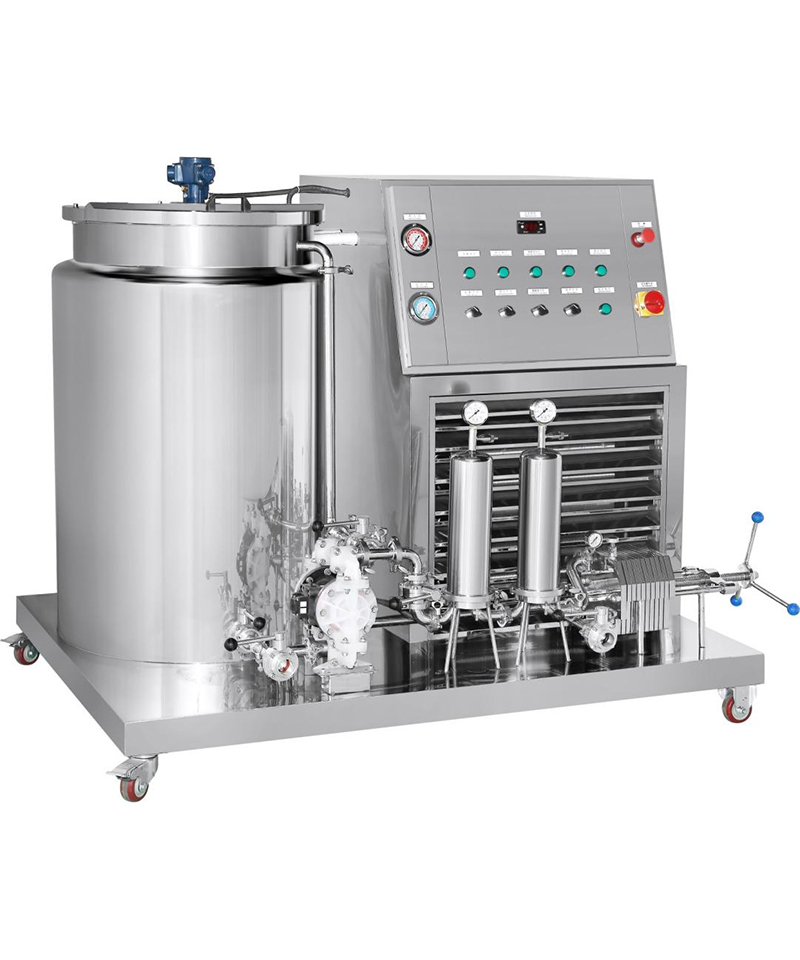
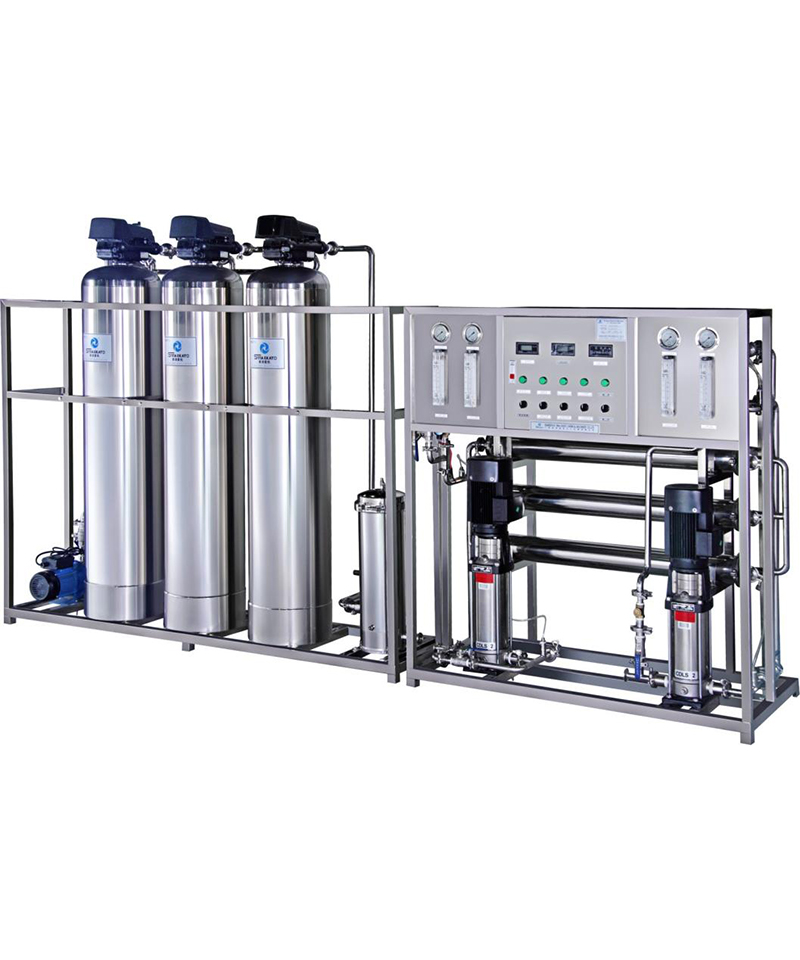
We recommend demineralized or RO water to prevent scaling and bio-fouling, which can decrease heat transfer efficiency by up to 30%. Our systems include optional integrated filtration units.
Standard inspections should occur quarterly, but with our AI-integrated sensors, maintenance is condition-based, significantly reducing labor costs.
Yes, our cooling solutions support Modbus, Profibus, and Ethernet/IP protocols for seamless integration with Siemens, Allen-Bradley, or Mitsubishi controllers.
We offer both virtual assistance and on-site engineering teams. Our engineers have successfully completed installations in the UK, USA, Dubai, and beyond.
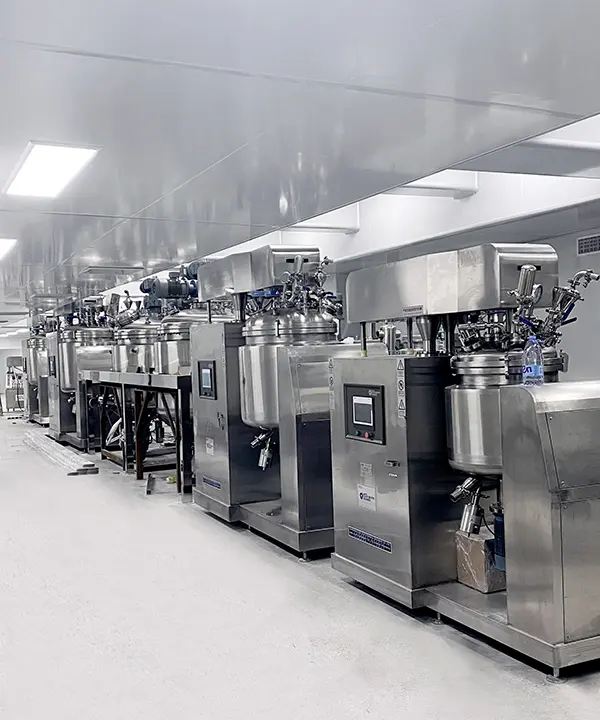
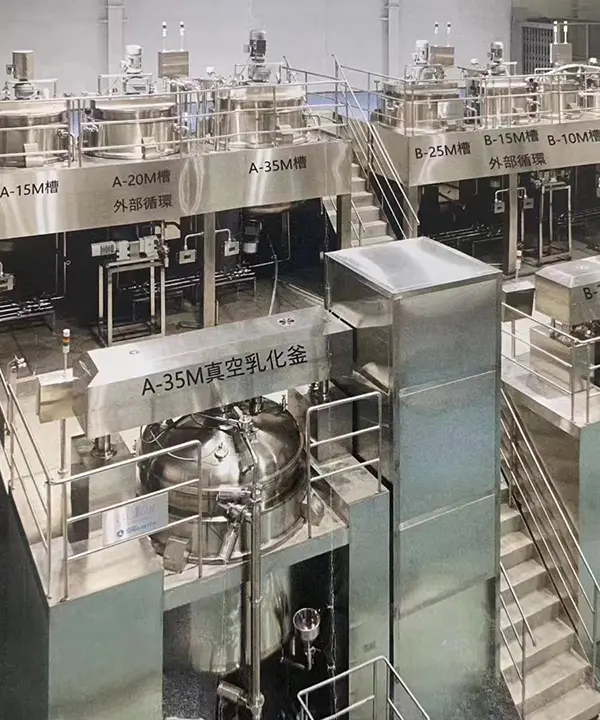
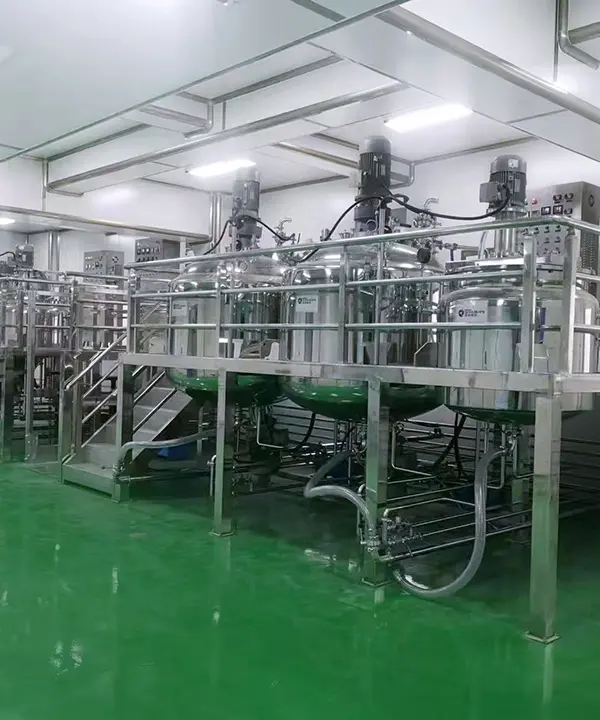
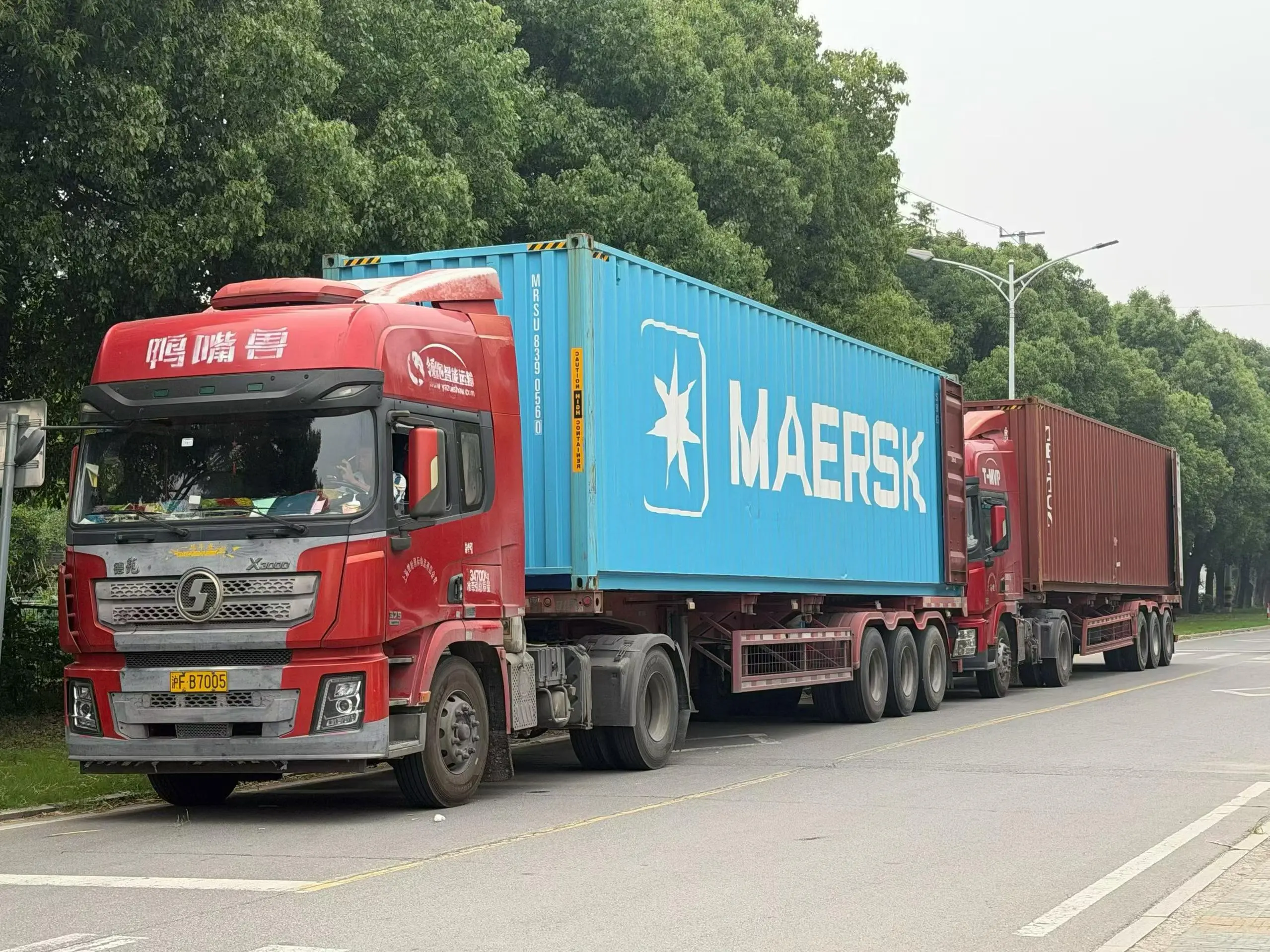
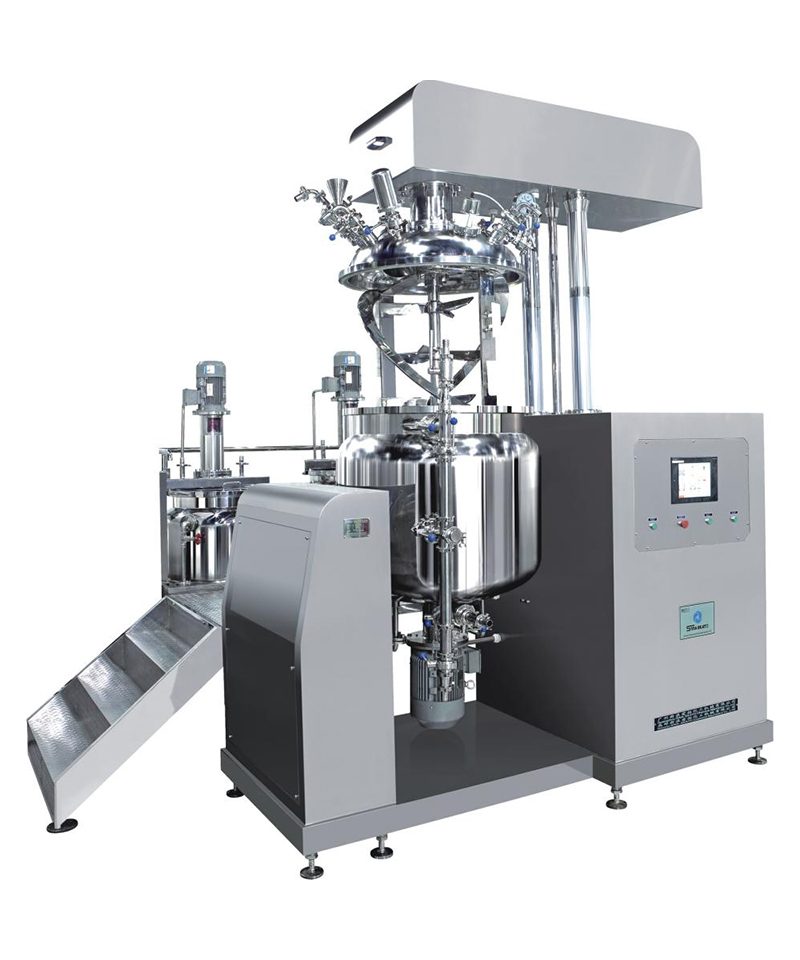
SINAEKATO achieves another breakthrough by dispatching eight full containers of customized mixers to Africa.
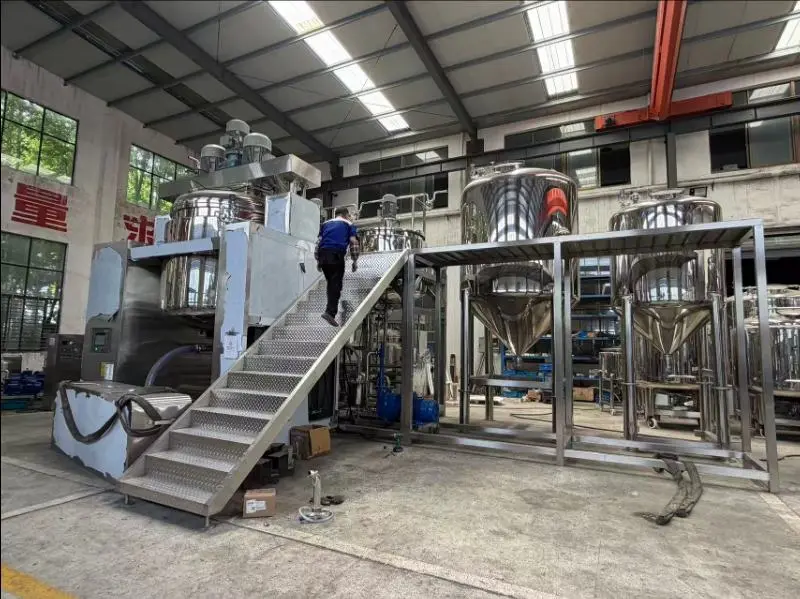
Dating back to the 1990s, SinaEkato has been dedicated to customization of high-quality processing equipment.
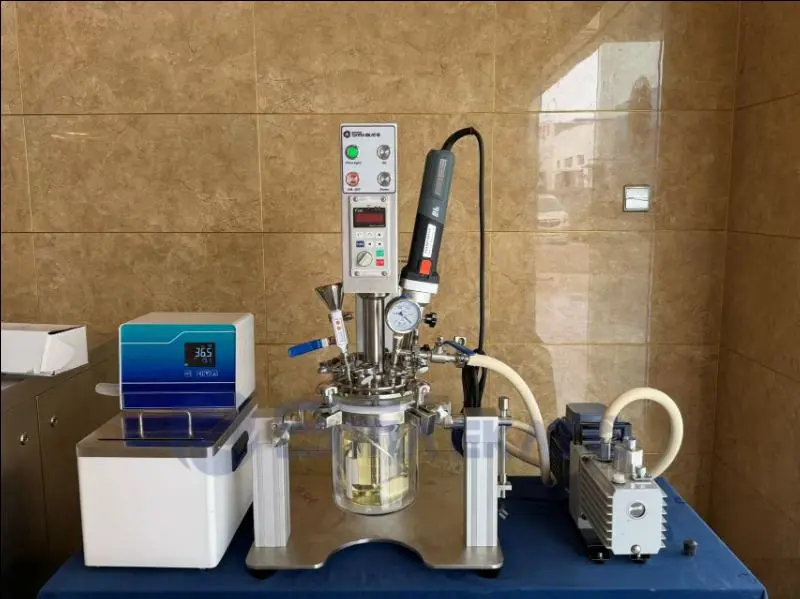
New high-precision system designed for small-batch development and R&D testing.