Mali, a vibrant hub in West Africa, is currently witnessing a paradigm shift in its industrial landscape. Traditionally reliant on imports for finished cosmetic products, the Malian market is now pivoting towards localized production. This transition is driven by the abundance of indigenous raw materials, such as Shea Butter (Karité) and various essential oils, combined with a growing demand for "Made in Mali" skincare and personal care brands.
 The Strategic Importance of Auxiliary Equipment
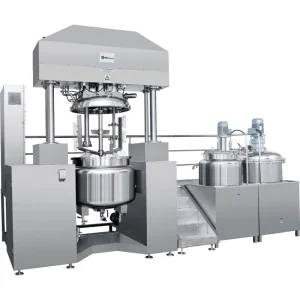
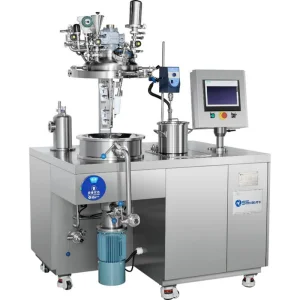
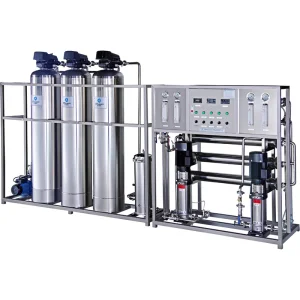
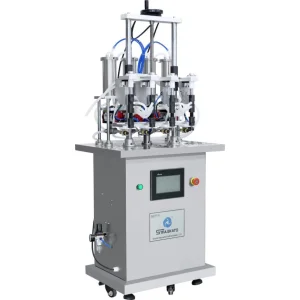
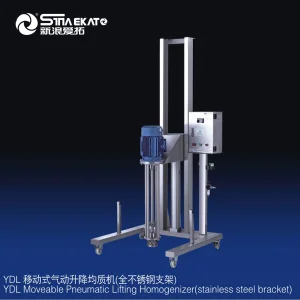
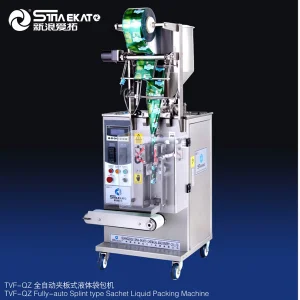
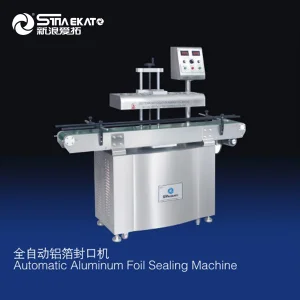
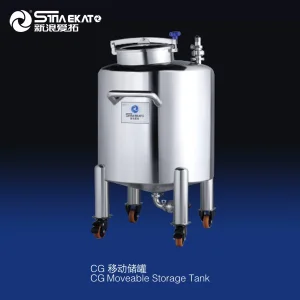
Success in the cosmetic industry is not merely about the main mixing vessel. It resides in the Auxiliary Equipment—the unsung heroes of the production line. In Mali's specific climate and economic environment, the robustness and efficiency of water treatment systems, storage tanks, and packing machines determine the shelf-life and safety of the final product. As a leading manufacturer, we provide the technical infrastructure required to turn Malian raw resources into international-standard cosmetics.
By implementing advanced production lines in Bamako and Kayes, local entrepreneurs can reduce operational costs by up to 40%, bypassing import duties and international logistics bottlenecks.
Our equipment meets CE and ISO 9001 standards, ensuring that Malian exporters can satisfy the stringent health and safety requirements of the ECOWAS region and European markets.
Designed for the West African environment, our machines feature high-grade SUS316L stainless steel and tropicalized electrical components to withstand voltage fluctuations and heat.
The global cosmetic industry is seeking Information Gain through sustainable and ethical sourcing. Mali's position as a top producer of organic Shea butter gives it a competitive edge. Our role as an auxiliary equipment manufacturer is to provide the Macro Industry Solutions that allow Malian factories to refine these raw materials into high-value emulsions, lotions, and soaps with minimal waste.
Years of Engineering Excellence
Countries Served Globally
Quality Guarantee
Square Meters Factory Area
The next decade of cosmetic production in Mali will be defined by Automation and IoT integration. Our technical roadmap includes the deployment of PLC-controlled systems that allow for precise batch tracking and remote diagnostics. This reduces the need for constant on-site technical intervention and ensures consistent quality—a critical factor for brand trust in the Malian market.
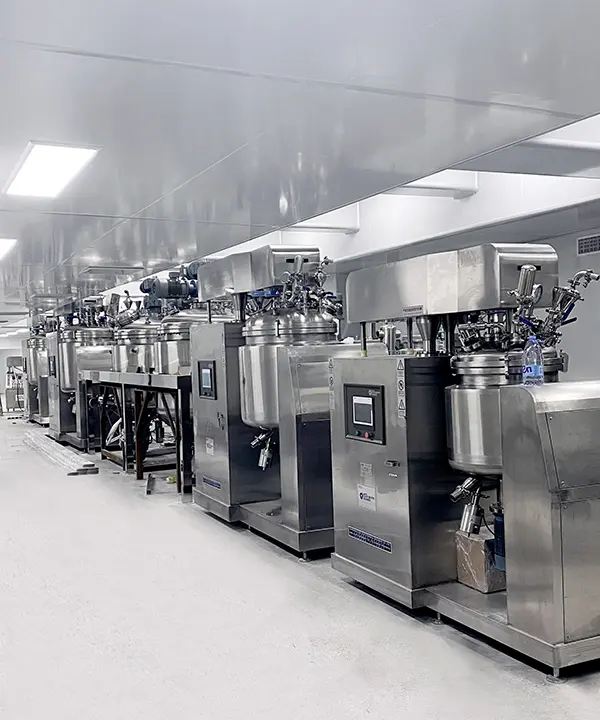
UK Standard Implementation
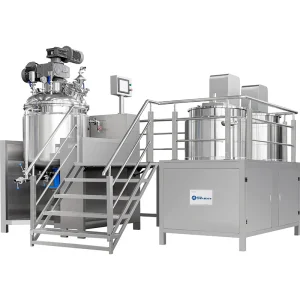
Automation integration for high-end skincare.
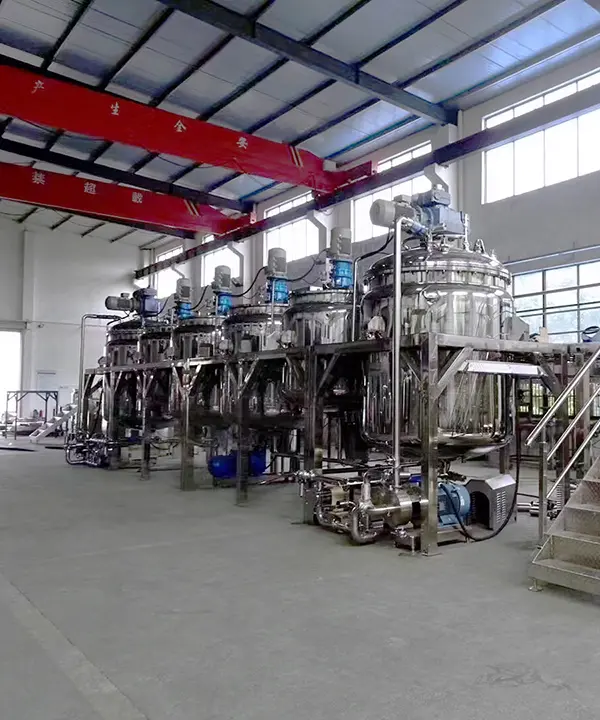
Algeria Regional Project
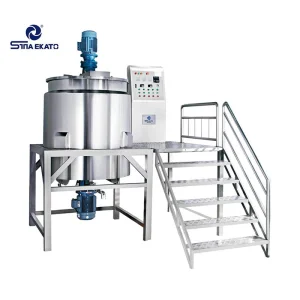
Large-scale liquid washing production line.
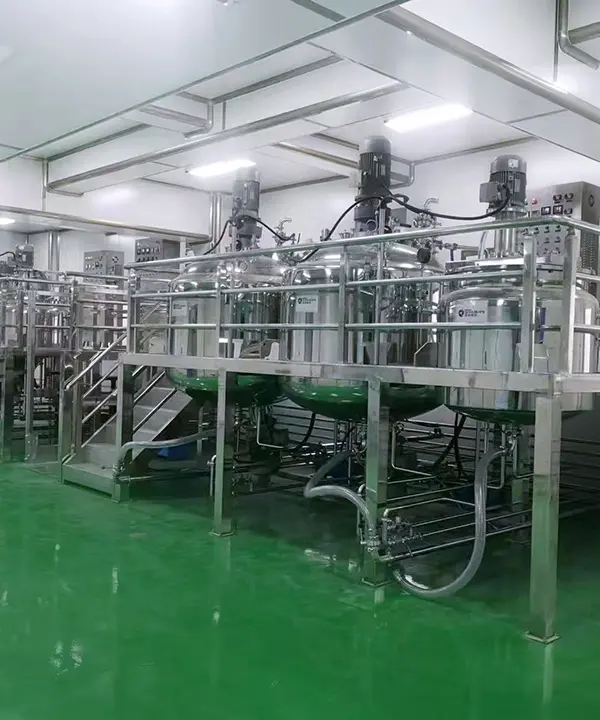
Dubai Luxury Series
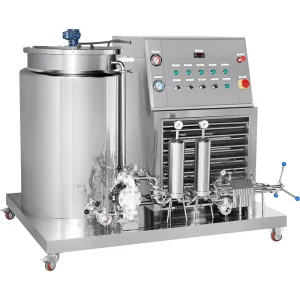
Precision perfume filtration and filling.
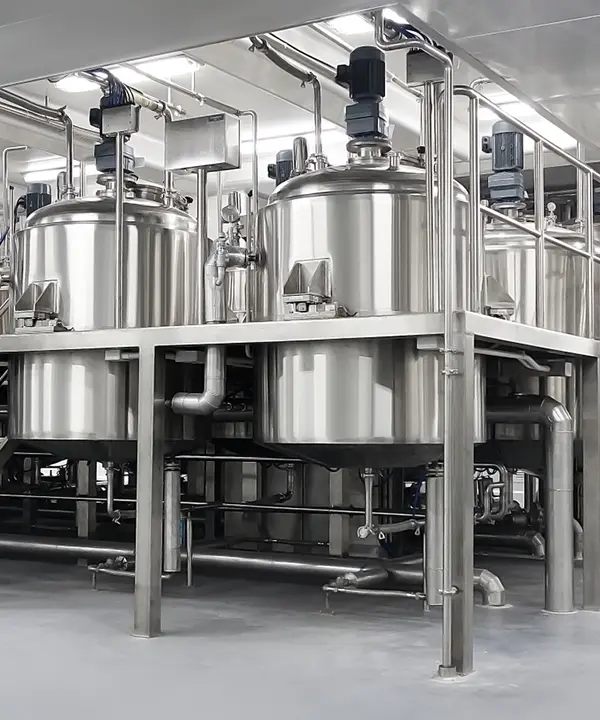
Belgium Pharmaceutical Grade
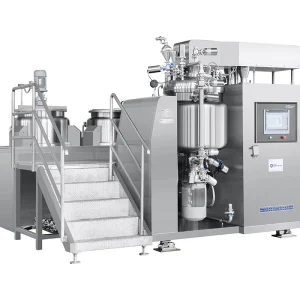
High-shear homogenization for ointments.
A: For the Malian market, we recommend starting with a high-quality RO Water Treatment plant and a Vacuum Emulsifying Mixer. Clean water is the foundation of all cosmetics, and the mixer allows for the production of both creams and lotions, providing maximum product flexibility.
A: Yes, we provide comprehensive installation assistance. This includes either on-site engineer deployment or high-definition video guidance, complemented by full technical documentation in English and French to suit the local requirements.
A: Our machines are built with high-efficiency cooling jackets and industrial-grade motors designed for continuous operation in ambient temperatures exceeding 40°C. We also use premium electrical components (Schneider/Siemens) that are less prone to heat-related failure.
A: Depending on customization, production typically takes 30-45 days, followed by sea freight to the Port of Dakar or Abidjan, and then overland transit to Mali.
Ready to upgrade your production capacity in Mali? Our engineers are standing by.
Contact Our Experts Now