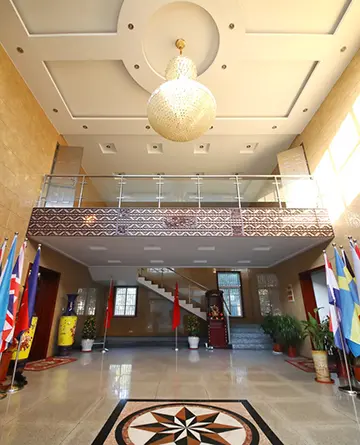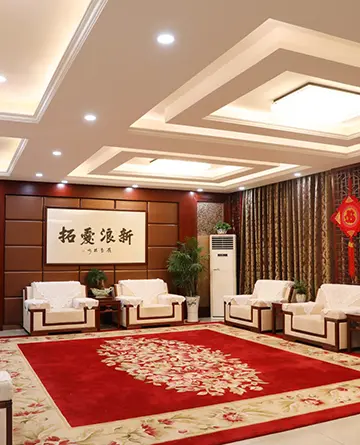
Explore our elite range of high-efficiency cosmetic processing and primary packaging units built to international standards.
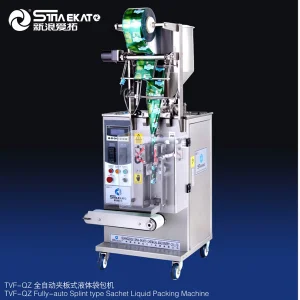
Why Mascara Packaging Machines Require Superior Engineering Over Standard Cosmetic Fillers
Mascara is widely recognized by formulation scientists as one of the most challenging products to process and pack in the cosmetic industry. Unlike low-viscosity lotions or simple liquid soaps, mascara is a highly complex, thixotropic emulsion laden with waxes, pigments (often iron oxides), and volatile film-forming agents. It behaves as a non-Newtonian fluid: it displays high resistance to flow under rest conditions, yet shears down to a manageable viscosity under precise mechanical stress. This unique physical behavior demands that specialized mascara packaging machine manufacturers design dosing systems capable of handling high-viscosity dynamics without destabilizing the formulation or trapping micro-bubbles of air.
During the filling sequence, any drop in pressure or temperature can lead to instantaneous solidification or clogging in the filling nozzles. Modern, advanced mascara filling systems are designed with double-jacketed, heated hoppers and positive-displacement rotary lobe pumps or servo-driven piston filling cylinders. By utilizing precise thermal monitoring and closed-loop control feedback, manufacturers can ensure that the mascara compound maintains its optimal flow characteristics from the storage vessel directly into the primary container. This careful calibration prevents air pockets, preserves chemical integrity, and maintains consistent fill volume down to fractions of a milliliter.
Furthermore, mascara packaging involves more than just depositing fluid. It requires the seamless integration of a multi-component containment unit consisting of a bottle, a wiper inserts, and a cap integrated with an applicator brush. Placing the wiper inside the bottleneck requires exact pneumatic alignment and mechanical force control. If the wiper is inserted too loosely, the user will face catastrophic leaking; if inserted too tightly, the bottle neck may rupture, or the wiper will eject during extraction of the brush. Solving this complex mechanics requires the expert engineering oversight of a tier-1 global cosmetic packaging machinery manufacturer.
Why leading global cosmetic corporations source their production lines from Chinese industrial clusters
Chinese factories, particularly within the Pearl River Delta (Guangzhou, Shenzhen) and Yangtze River Delta zones, benefit from an unmatched local ecosystem. Raw materials (such as SUS316L pharmaceutical-grade stainless steel), high-precision CNC tool shops, servo controllers, and vision-sensor manufacturers are situated within a 50km radius. This reduces shipping lead times, simplifies custom configurations, and dramatically reduces component supply costs.
Historically, European machinery makers favored rigid, standardized catalog products. Chinese manufacturers excel at rapid custom engineering. If you possess a patented, non-cylindrical mascara tube with an asymmetrical wiper design, engineering teams in Guangzhou can perform digital finite element analyses (FEA) and customize your handling stars and filling jaws within a couple of weeks, allowing for rapid time-to-market.
Top-tier Chinese factories build their machinery in full alignment with international regulatory frameworks. Whether complying with CE directives (Low Voltage and Machinery Directives), complying with FDA sanitization designs, or building toward ISO9001 and cGMP certifications, these equipment suites guarantee smooth import customs clearance, painless factory installation, and stable operations.
The convergence of smart electronics and sustainability in advanced makeup filling lines
The cosmetic market is shifting rapidly from mass production toward flexible, fast-turnaround collections driven by social media trends. As a result, mascara factories must upgrade from single-purpose, rigid machinery to modern, intelligent assembly units. These trends shape the future of cosmetic manufacturing:
Operational paradigms designed for startups, high-volume contract packagers, and premium brands
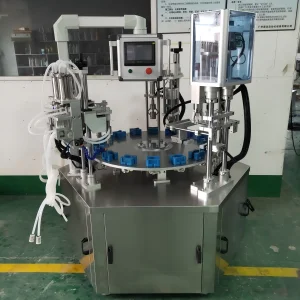
For young brands scaling up from manual setups, a semi-automatic or rotary monoblock system is ideal. Operating at 15 to 30 bottles per minute, these modular systems minimize upfront tooling investments while providing precise, servo-driven piston filling. They easily adapt to multiple brush profiles, and allow manual operator feeding alongside automated closing stations.
For OEM cosmetics makers serving global retail accounts, speed and high OEE (Overall Equipment Effectiveness) are key. We engineer multi-nozzle inline or continuous rotary filling systems capable of 60 to 120 bottles per minute. These production lines feature automated bulk bottle unscramblers, dual-stage visual inspection systems, automatic wiper insertion presses, and dynamic torque monitoring for the caps.
For specialized lines formulating ophthalmologist-tested, clean-label, or medical-grade lash-growth serums, sanitary processing is mandatory. Our solutions feature HEPA-filtered laminar flow hoods built over the filling zone, CIP/SIP (Clean-in-Place / Sterilize-in-Place) wash lines, and SUS316L mirror-polished contact surfaces to guarantee complete product purity.
Essential factors for procurement managers evaluating machinery partners in Asia
Purchasing heavy cosmetic equipment requires careful risk assessment. When sourcing complex mascara filling machinery, international procurement directors should verify that the manufacturer meets the following criteria:
Explore our core manufacturing capabilities, featuring advanced vacuum emulsifiers, liquid blenders, storage tanks, and robust downstream packing lines.
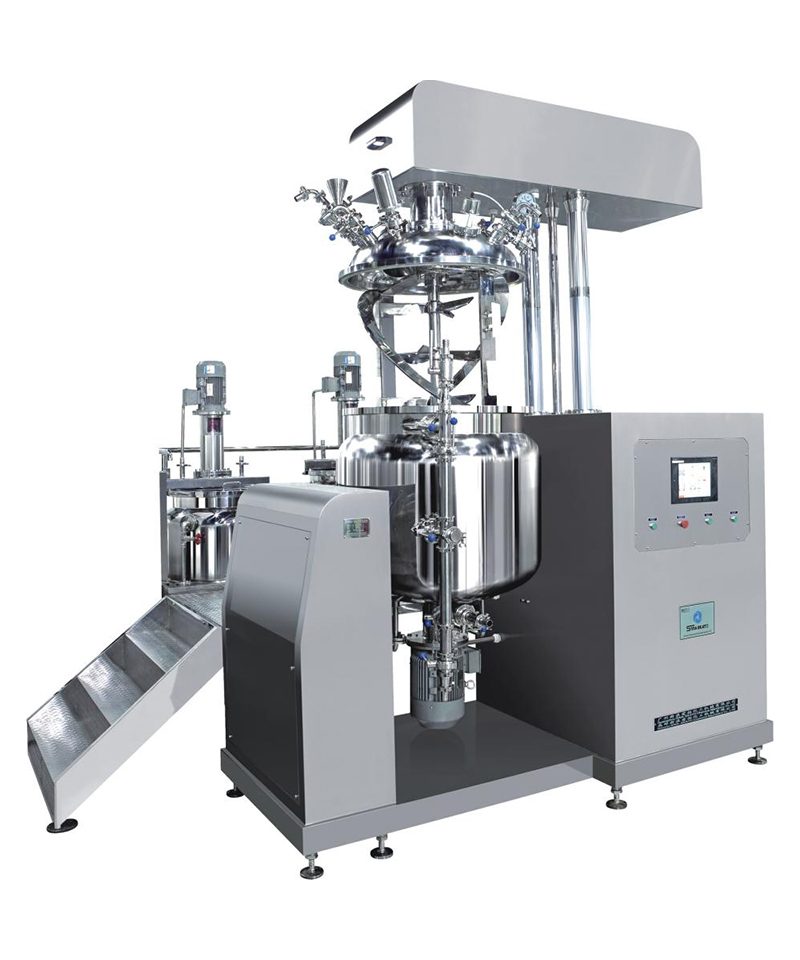
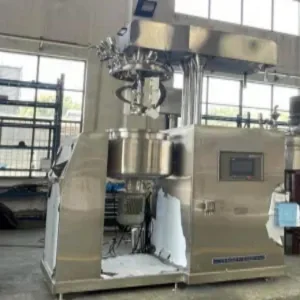
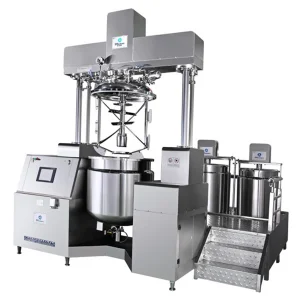
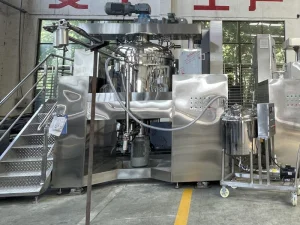
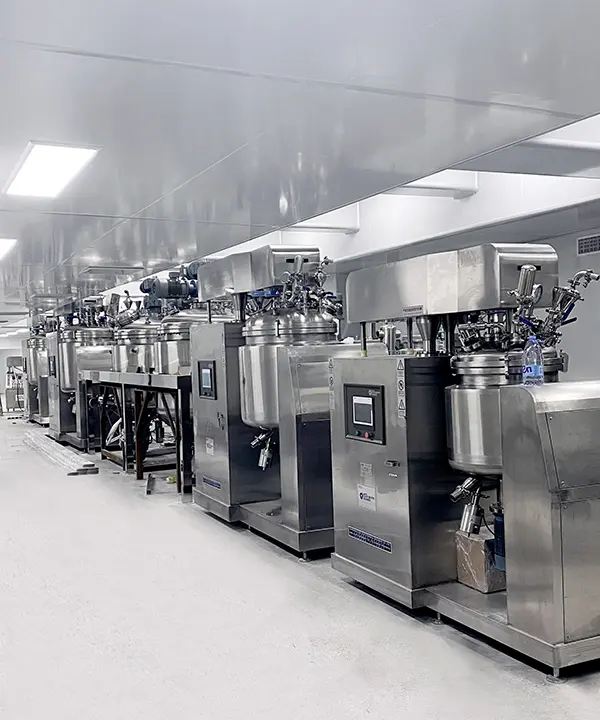
High-shear homogenizing system designed for premium skincare creams and cosmetic emulsions.
Read More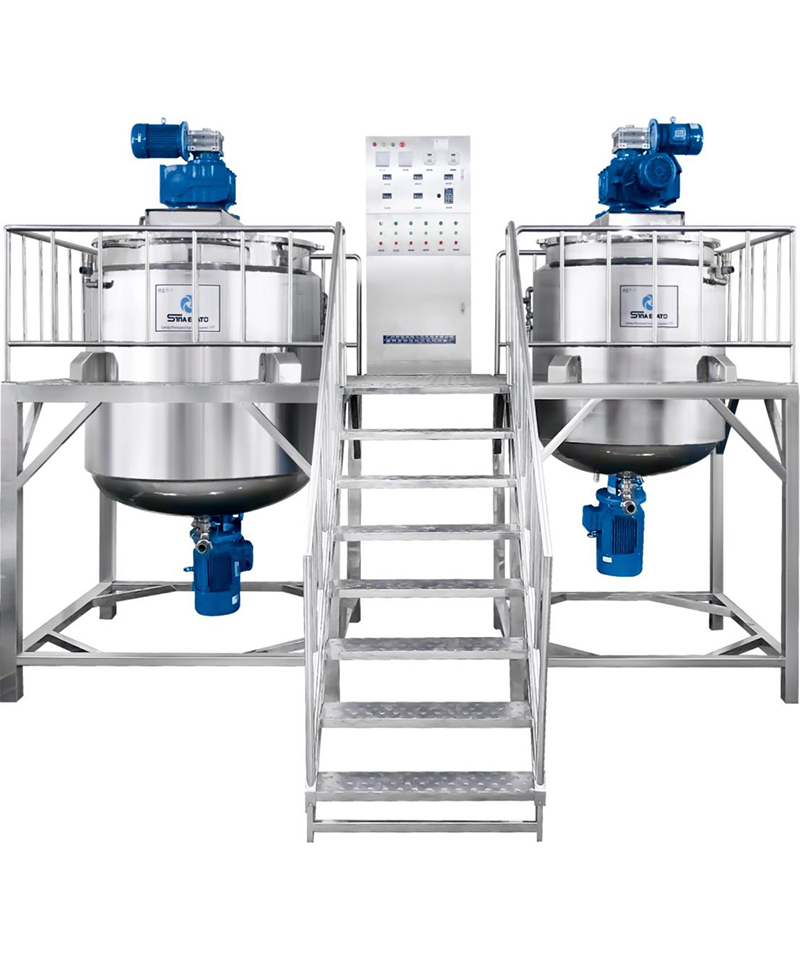
High-capacity blending systems with integrated agitators for personal care liquids.
Read More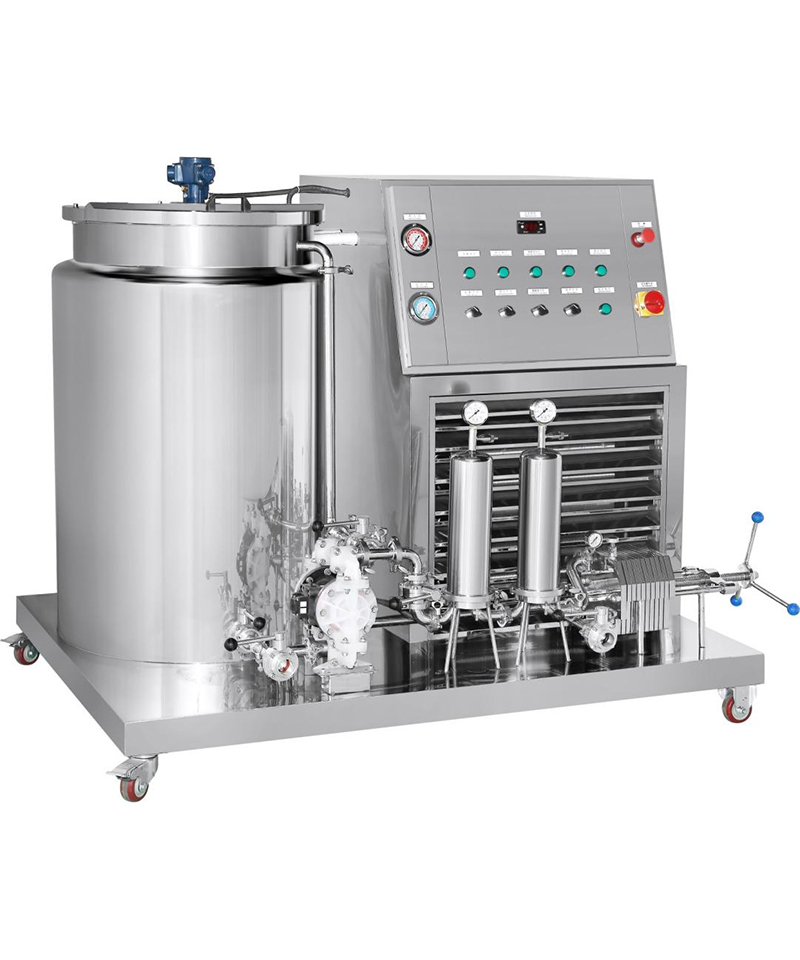
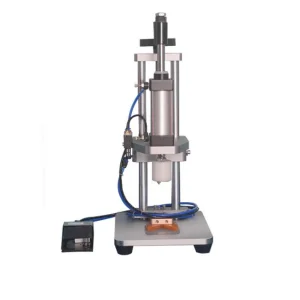
Chilling, filtering, and pneumatic crimping systems for fragrance manufacturing.
Read More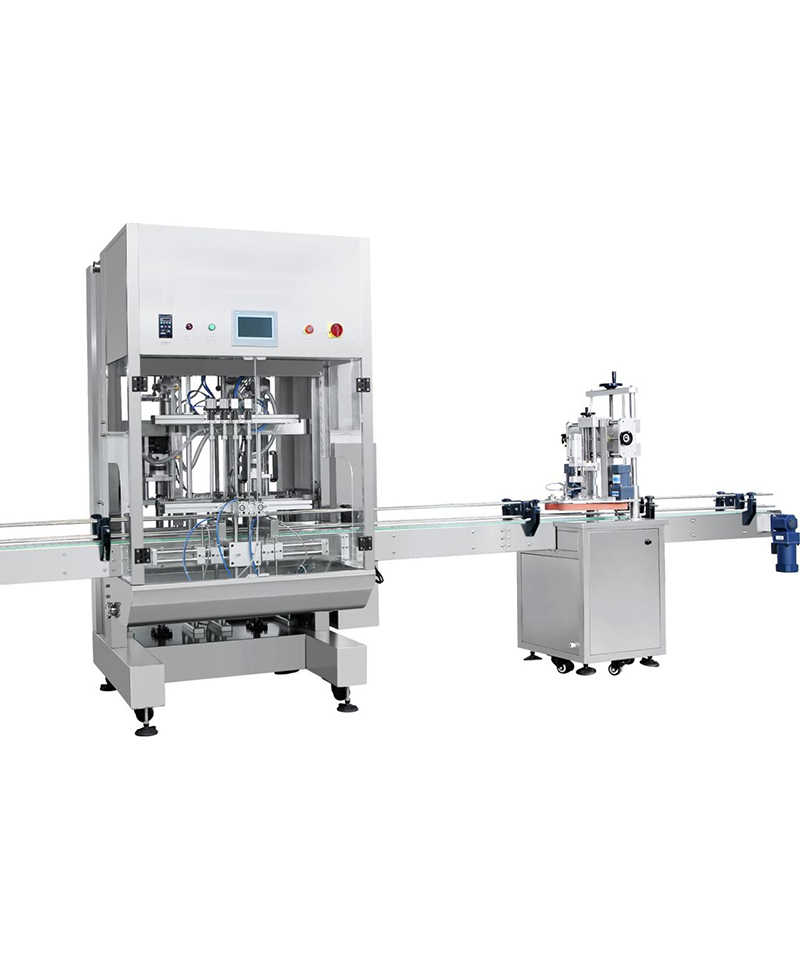
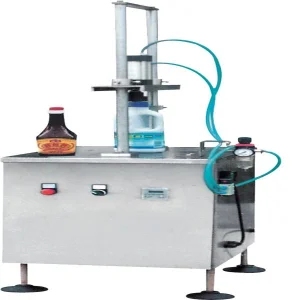
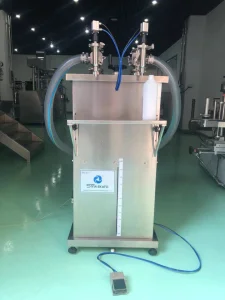
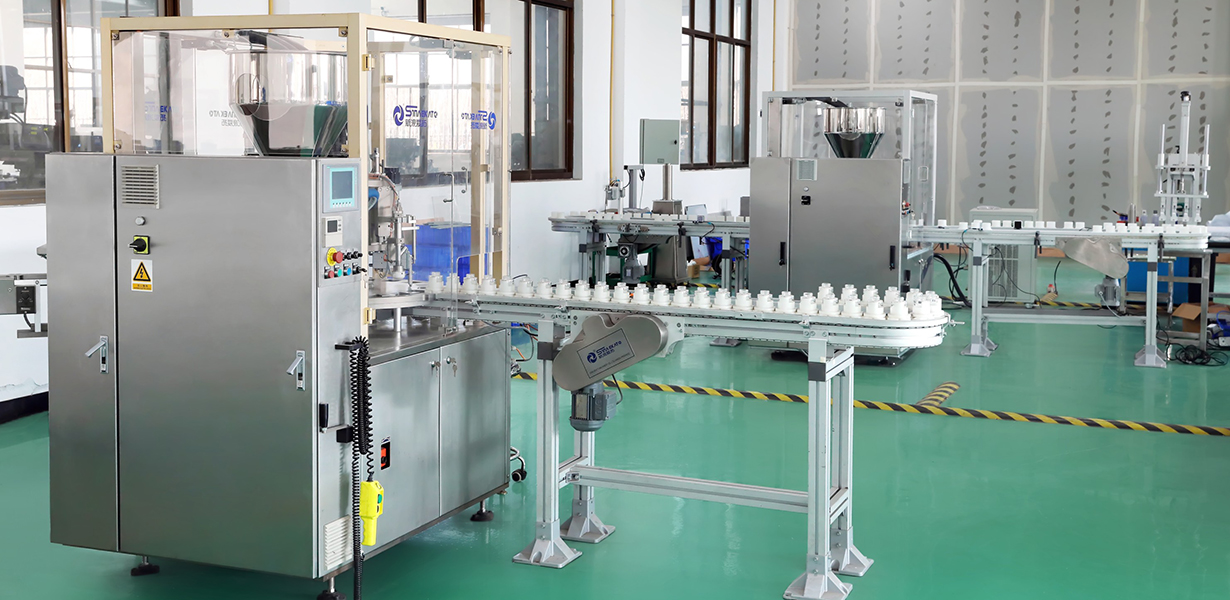
Versatile piston and rotary fillers catering to varying production scales.
Read More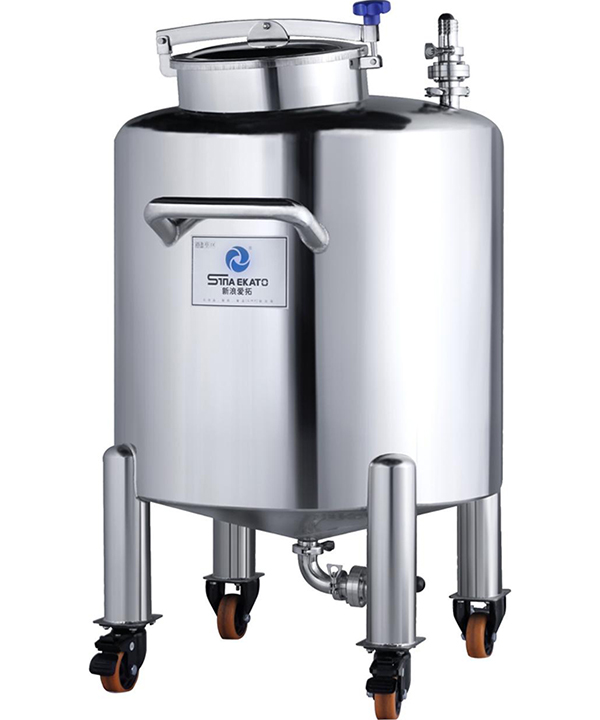
Stainless steel buffer vessels with sanitary air-breathers and option heaters.
Read More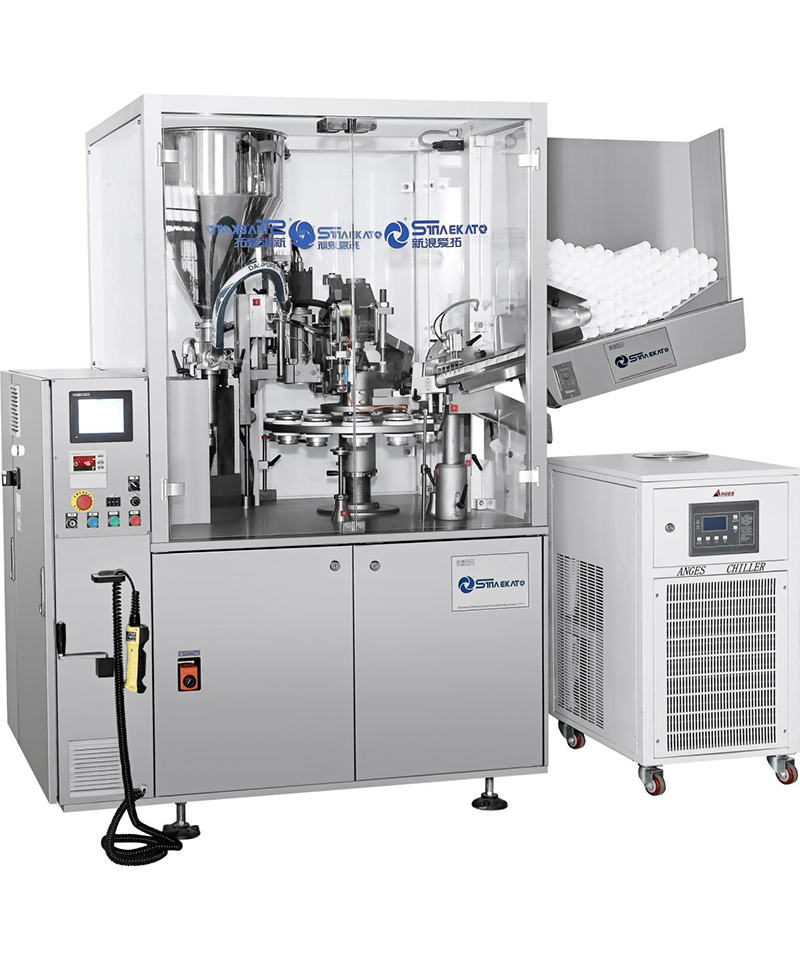
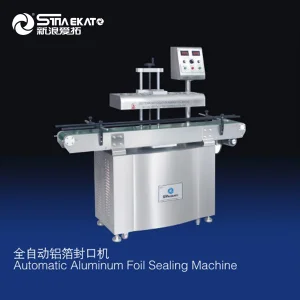
Hot-jaw and ultrasonic sealing for laminated, plastic, and metal tubes.
Read More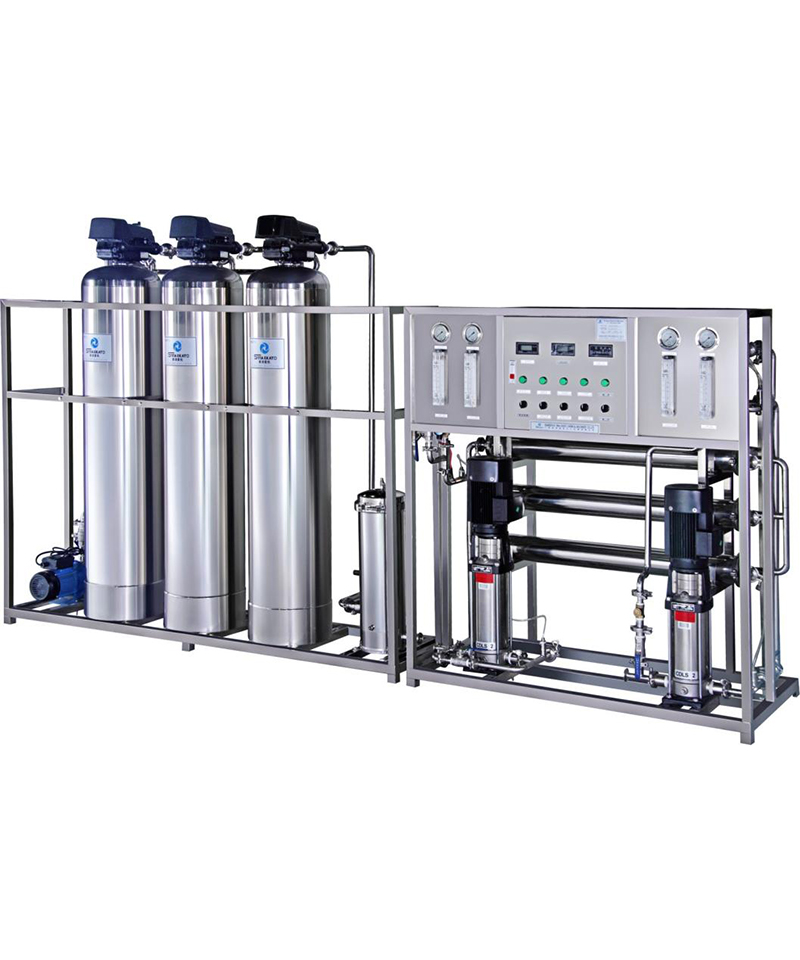
Reverse osmosis filtration ensuring high purity deionized water for cosmetic recipes.
Read More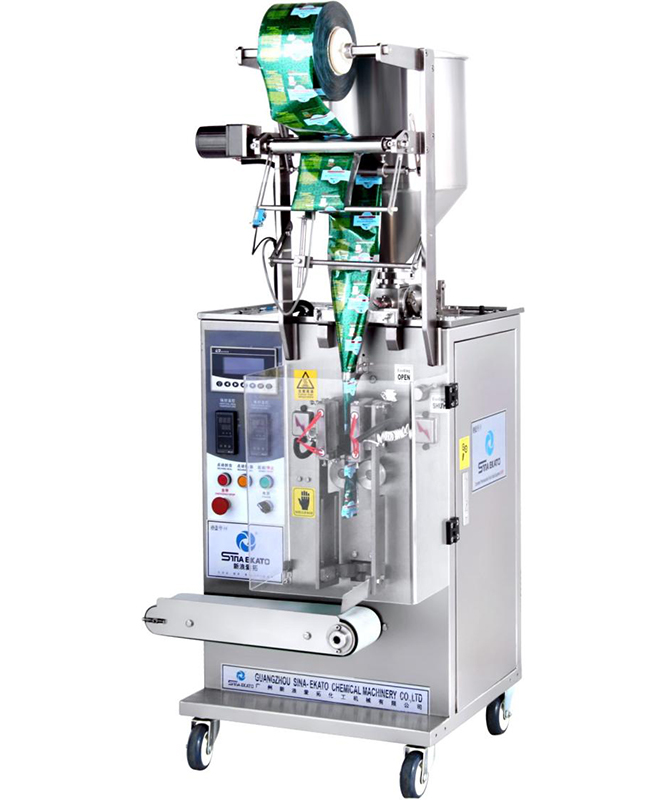
End-of-line packaging systems, cartoning, shrink-wrapping, and case packers.
Read MoreDriving operational growth through elite manufacturing standards and global partnership networks.
Our distribution, sales, and manufacturing centers are strategically positioned to serve your procurement needs globally:
Take a look inside our high-precision CNC maching bays, cleanrooms, and testing facilities.
From preliminary conceptual blueprints to site installation assistance: how we execute your project.
Detailed discussion of your formula, pack designs, and on-site visits if required.
3D modeling of machinery, mechanical integration designs, and layout planning.
Verification of parts lists, electrical diagrams, and sensor configurations.
Securing transparent transactional terms, warranty periods, and delivery deadlines.
Precision CNC machining, laser welding, and meticulous electrical wiring.
Rigorous factory acceptance runs with testing videos shared with client.
Heavy-duty vacuum-sealed packing inside ISPM-15 compliant wooden crates.
Coordinating customs clearance and door-to-port or door-to-door transport.
Detailed video calls or on-site deployment of engineers for commissioning.
Our operational scope and global market presence by the numbers


Delivering high-performance production lines to cosmetic factories across the globe.
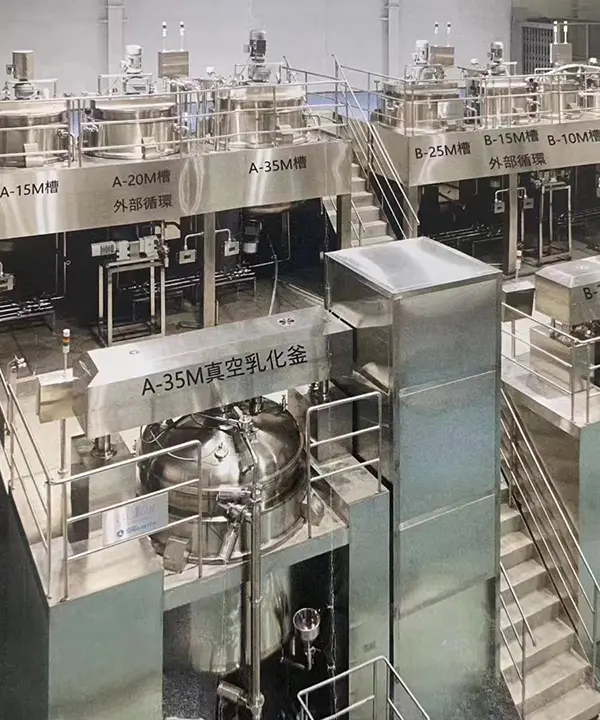
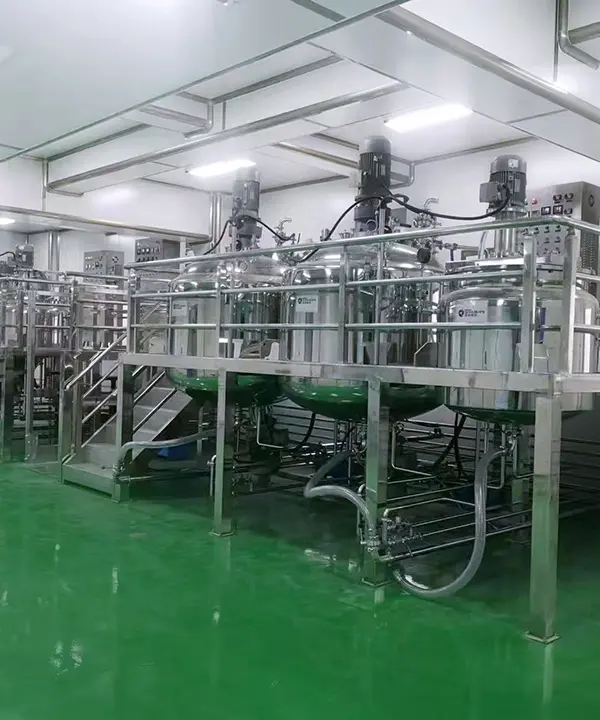
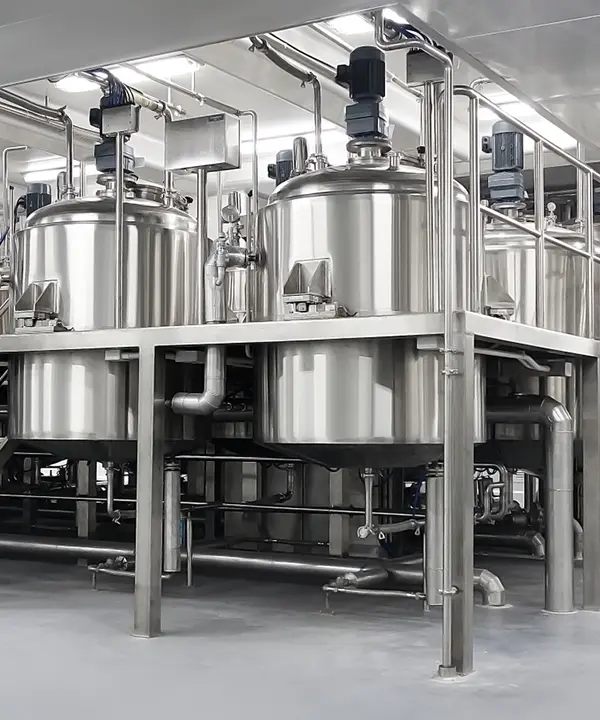
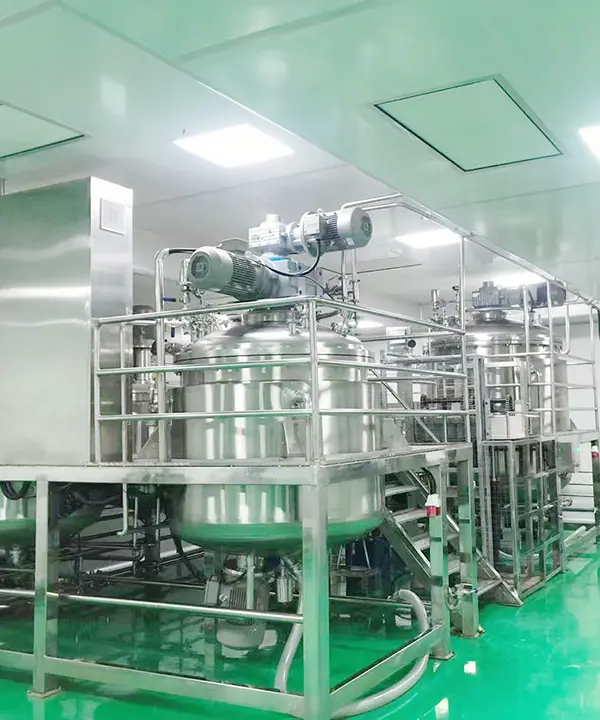
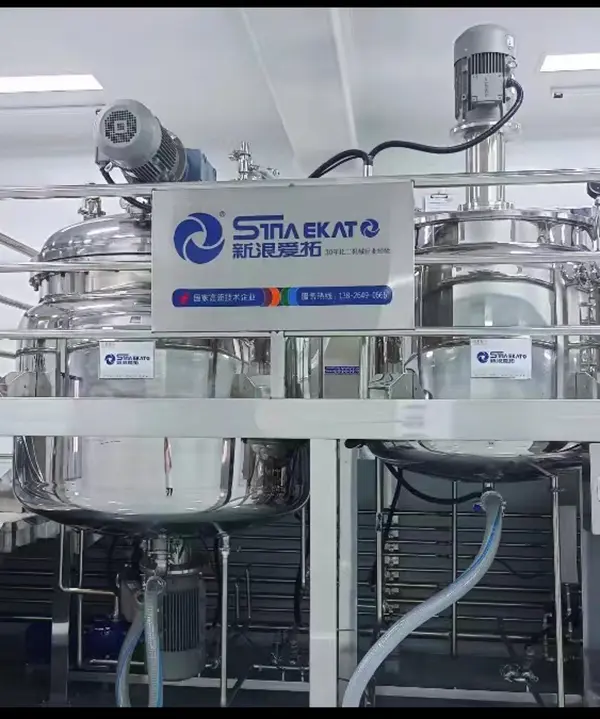
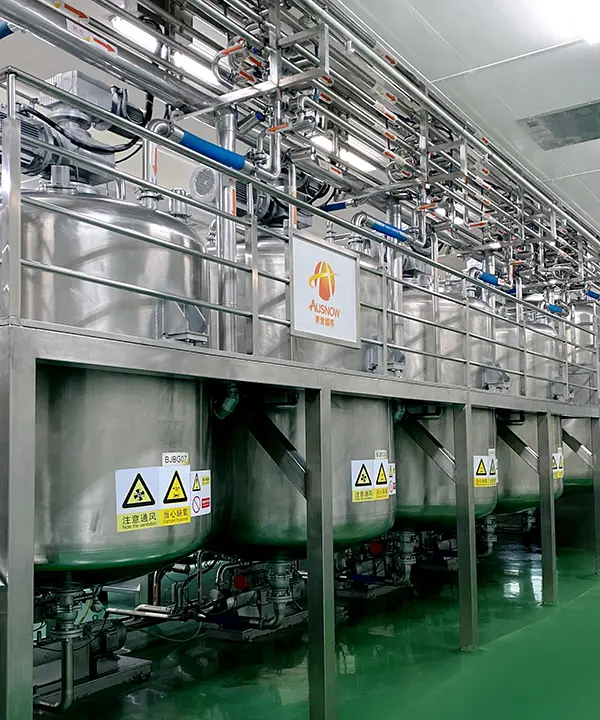
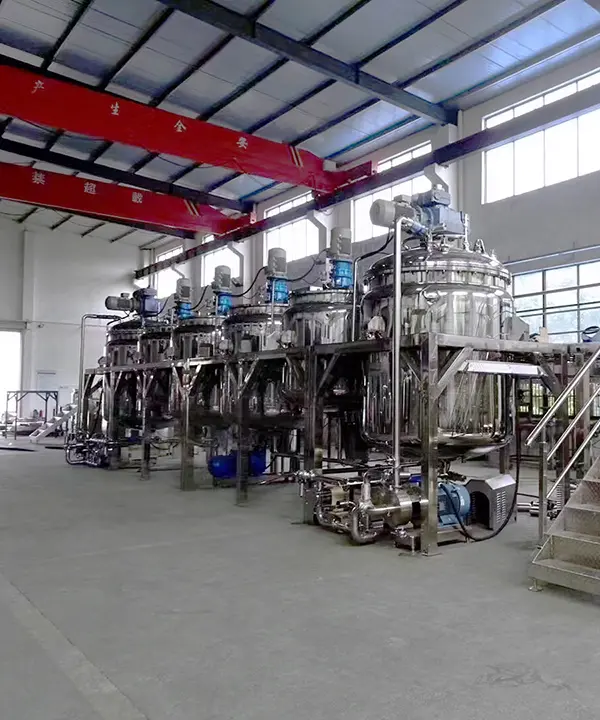
Trusted by leading domestic and international cosmetics brands and OEM leaders



























Stay informed with factory updates, shipment updates, and engineering news.
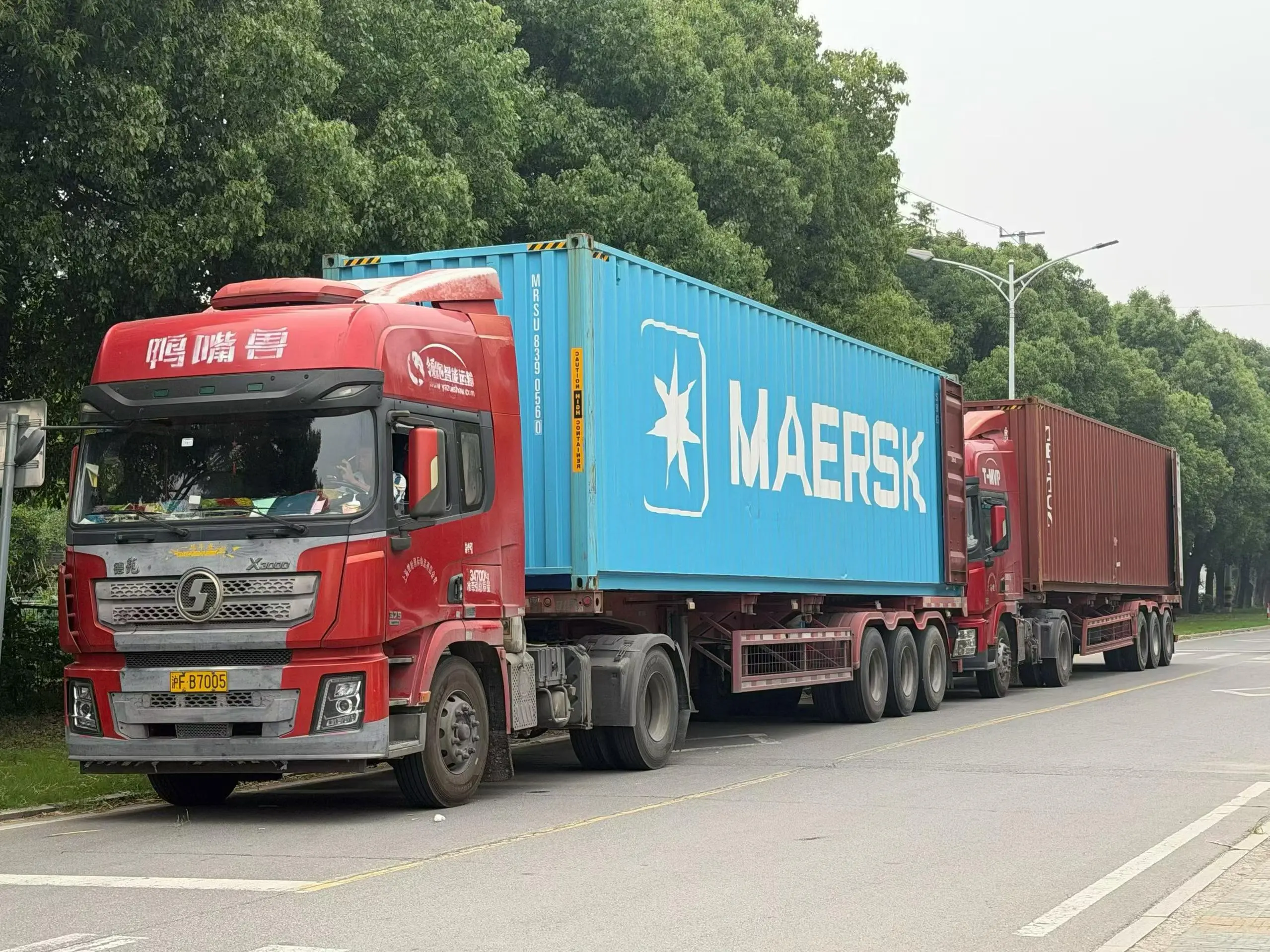
SINAEKATO, a trusted professional manufacturer specializing in cosmetic machinery, achieves another delivery milestone by dispatching 8 full containers to Africa.
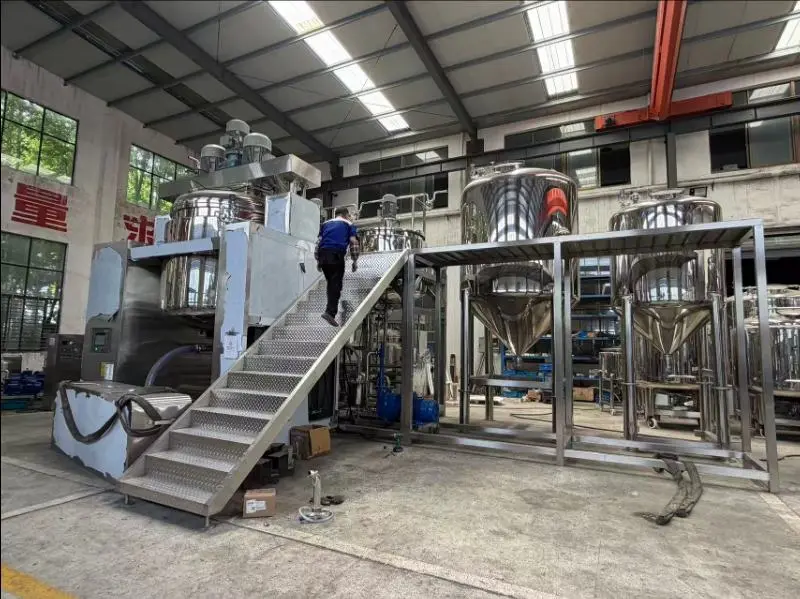
Dating back to the 1990s, SinaEkato has dedicated its engineering expertise to customizing processing systems for global markets.
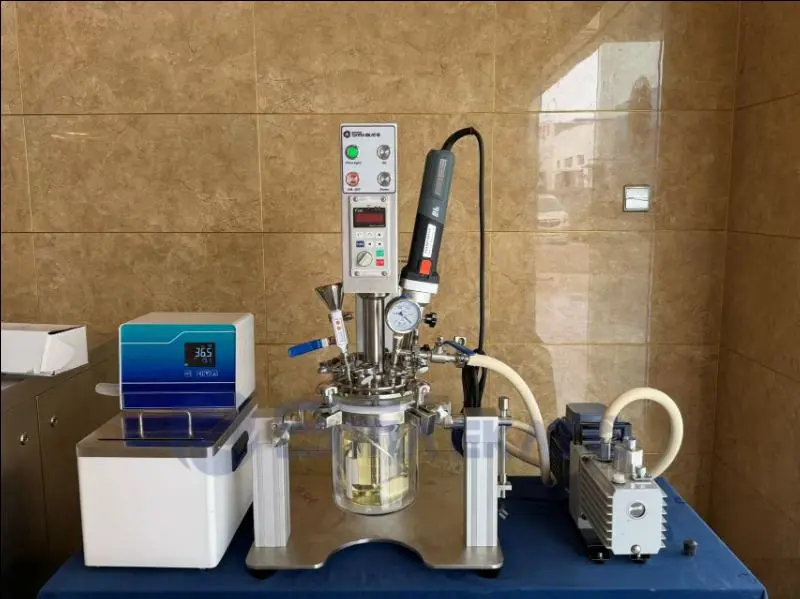
A high-precision processing unit engineered specifically for formula pilot testing and small-batch cosmetic trial runs.
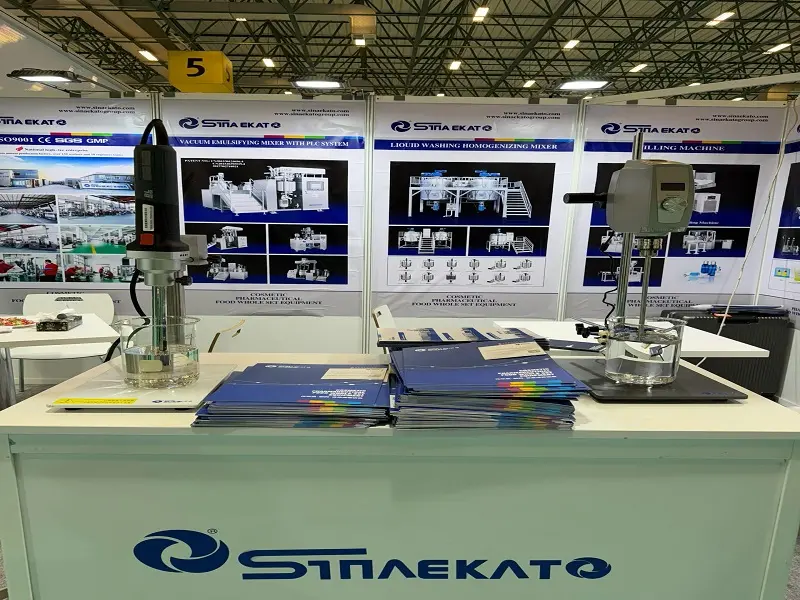
Live demonstrations of pilot-scale processors at Booth 5E 310 attracted significant interest from international buyers.
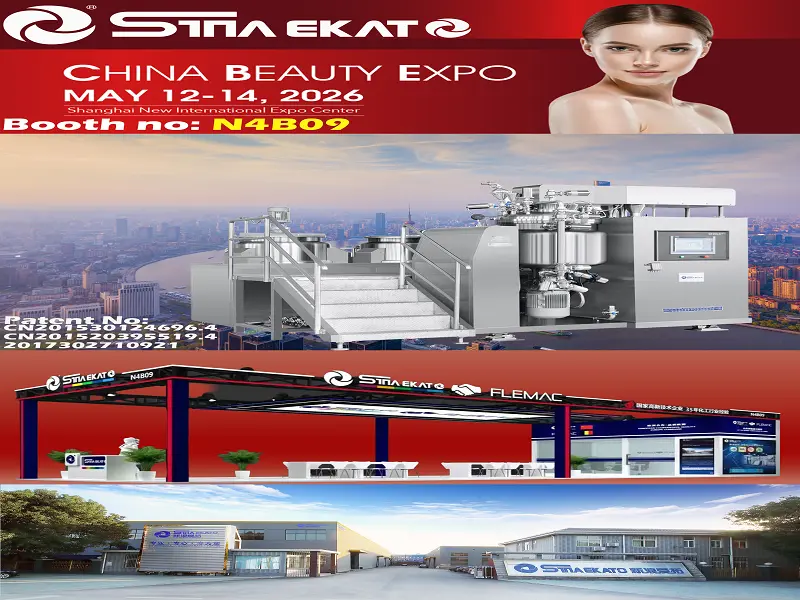
Presenting new, high-speed automated cosmetic filling systems at the Shanghai New International Expo Center.
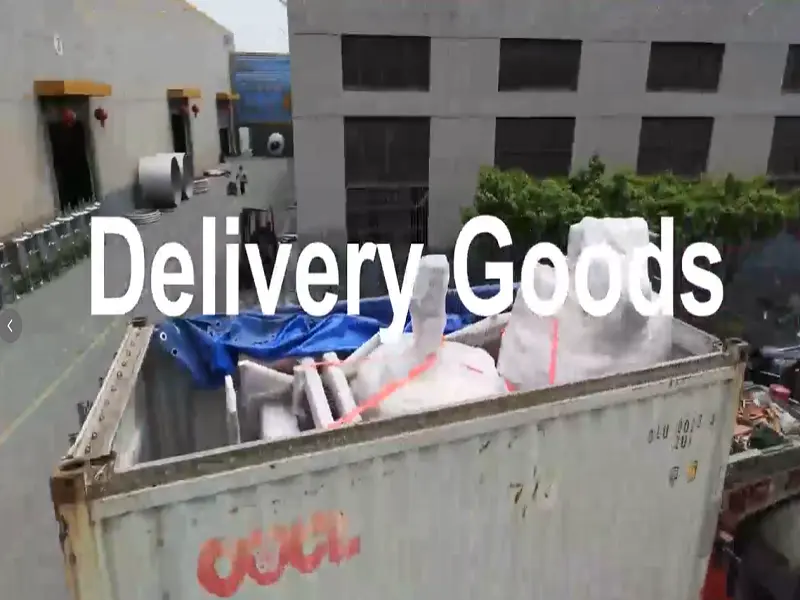
Detailed insight into our logistics safety checks, structural framing, and secure packaging methods.
Expert engineering answers to common industrial production challenges
A1: We utilize a custom-engineered blow-back or vacuum suck-back valve system in our filling nozzles. Immediately after the positive displacement piston stroke completes, a localized reverse vacuum pressure pulls the residual fluid back up into the nozzle tip, preventing messy dripping or trailing stringy fibers onto the bottleneck.
A2: Yes. Traditional fiber brushes and molded elastomer brushes require different handling profiles. Our smart mechanical pick-and-place grippers and orienting wheels are custom-machined for each specific brush geometry. Optoelectronic sensors verify the brush's vertical alignment before insertion to prevent deformed or bent bristles.
A3: We deploy magnetic hysteresis clutches or dynamic servo motors on the capping spindles. This design allows operators to set precise torque parameters (e.g., 0.8 Nm to 1.5 Nm) directly on the PLC panel. The system continuously measures and logs capping torque, automatically rejecting bottles that fail to meet tolerances.
A4: With our toolless modular design and recipe-driven HMI control, a full changeover (changing starwheels, nozzle adjustments, and capping jaws) takes less than 20 minutes for a single operator. Adjustments to heights and stroke profiles are saved as PLC presets and applied instantly.
A5: Waterproof formulas often contain volatile compounds like isododecane. To prevent solvent evaporation or fire risks, our machines utilize sealed, pressurized hoppers. Additionally, we offer ATEX/Explosion-proof structural options for pneumatic valves, electrical panels, and motors.
A6: Our primary dosing systems feature sanitary, quick-release clamp couplings. The entire fluid path—from hopper to nozzle tip—can be disassembled and cleaned within minutes. Alternatively, we can integrate standard Clean-In-Place (CIP) wash loops to automate internal flushing.
A7: The wiper insertion station features an analog depth sensor and a force transducer. If a wiper is not inserted to the correct depth or if the insertion force is outside set limits, the PLC flags the bottle and routes it to the reject bin without stopping the main line.
A8: Yes. We provide comprehensive documentation support for pharmaceutical and cosmetic GMP audits, including detailed material certificates (SUS316L), electrical schematics, operating manuals, and standard IQ (Installation Qualification) and OQ (Operational Qualification) validation protocols.
Since its establishment, our factory has been developing first-class cosmetic processing machinery while adhering strictly to a quality-first approach. Our systems have earned a strong reputation for durability and performance worldwide.
SUBMIT NOWBrowse additional machinery options including blenders, sealers, and capping equipment.