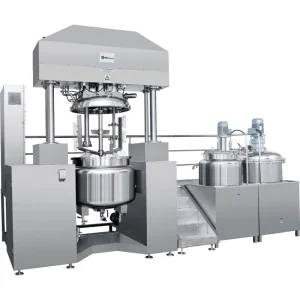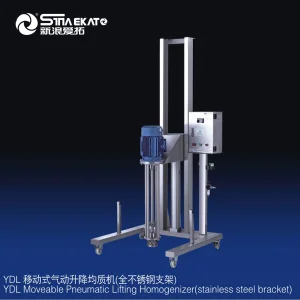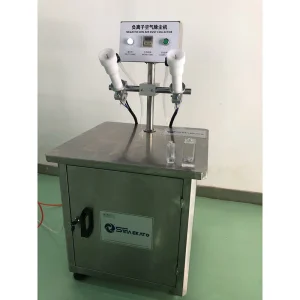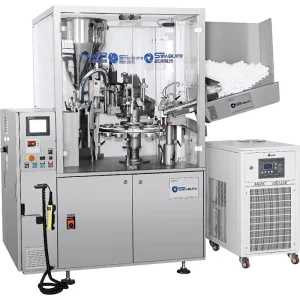
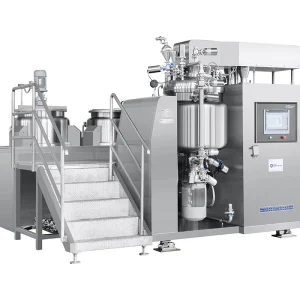
Optimized for Rotterdam's premium skincare production lines.
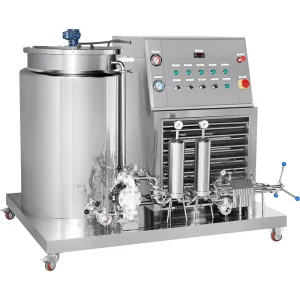
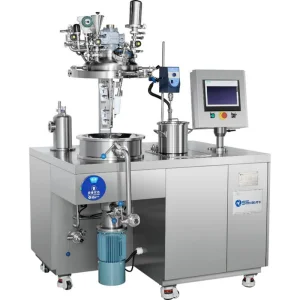
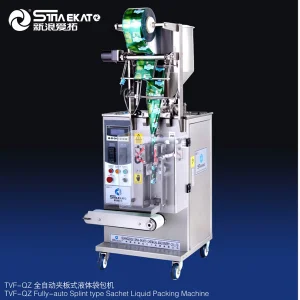
Precision fragrance blending for Amsterdam boutique perfumeries.
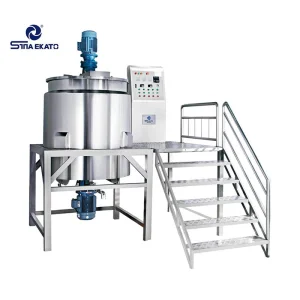
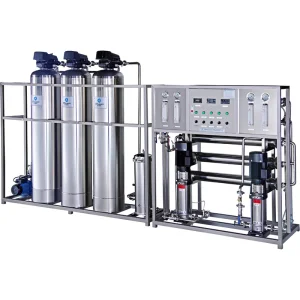
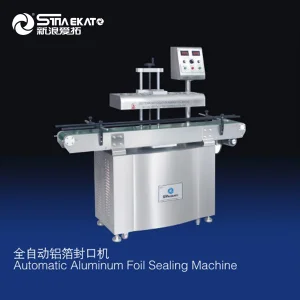
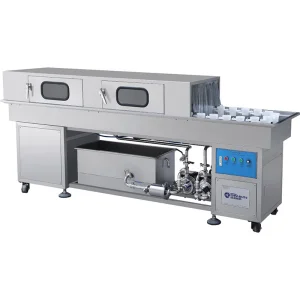
High-volume washing equipment for Eindhoven industrial plants.
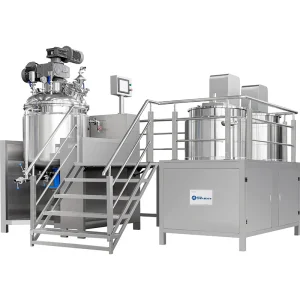
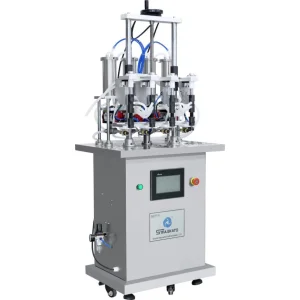
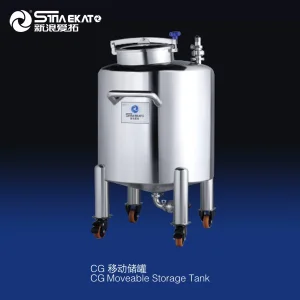
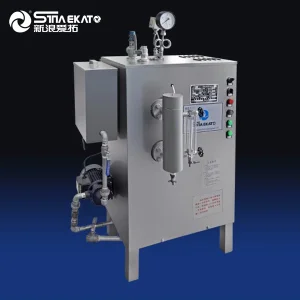
Robust, cost-effective solutions for expanding Dutch cosmetic startups.
The Netherlands serves as a pivotal gateway to the European cosmetics market. With the Port of Rotterdam acting as a primary logistics artery, Dutch manufacturers are uniquely positioned to distribute high-end personal care products across the continent. The Dutch market is characterized by a strong emphasis on "Sustainable Innovation" and "Circular Economy" principles. Manufacturers in regions like North Brabant and South Holland are increasingly seeking auxiliary equipment that offers energy efficiency, minimal waste, and modular scalability.
As the "Silicon Fen" of Europe, the Netherlands demands technology that integrates seamlessly with AI and IoT. This is where high-precision auxiliary equipment—ranging from vacuum homogenizers to automated water treatment systems—becomes critical for maintaining the high standards set by the Dutch NVWA (Netherlands Food and Consumer Product Safety Authority).
Globally, the cosmetic machinery industry is transitioning toward Industry 4.0. The demand for Cosmetic Production Auxiliary Equipment is driven by the rise of "Clean Beauty" and the need for preservative-free formulations, which require sterile production environments and ultra-precise mixing. From New York to Shanghai, and particularly in European centers like Paris and Amsterdam, the focus is on reducing the carbon footprint of the manufacturing process.
Our analysis shows that global procurement leads are shifting focus from "lowest initial cost" to "Total Cost of Ownership (TCO)." This includes the durability of 316L stainless steel components and the accessibility of spare parts, ensuring zero downtime in 24/7 production environments.
Why do Dutch enterprises increasingly partner with Chinese factories for their auxiliary equipment? The answer lies in the "Information Gain" of modern manufacturing ecosystems. Chinese facilities have evolved from simple assembly lines to centers of high-tech R&D.
Efficiency Advantages:
Our equipment is currently utilized in various Dutch industrial contexts:
The next decade of cosmetic production in the Netherlands will be defined by Zero-Waste Manufacturing. This involves auxiliary equipment that can monitor real-time ingredient viscosity and adjust shear rates automatically, reducing batch failure. Furthermore, the integration of Digital Twins—virtual replicas of the physical machinery—allows Dutch engineers to troubleshoot systems in China via cloud-based analytics, a service we proudly provide.
Custom engineering blueprints tailored to your facility's spatial constraints in the Netherlands.
High-grade 316L stainless steel cutting, welding, and component integration.
Export-grade wooden packing and sea/air shipping to Rotterdam or Schiphol.
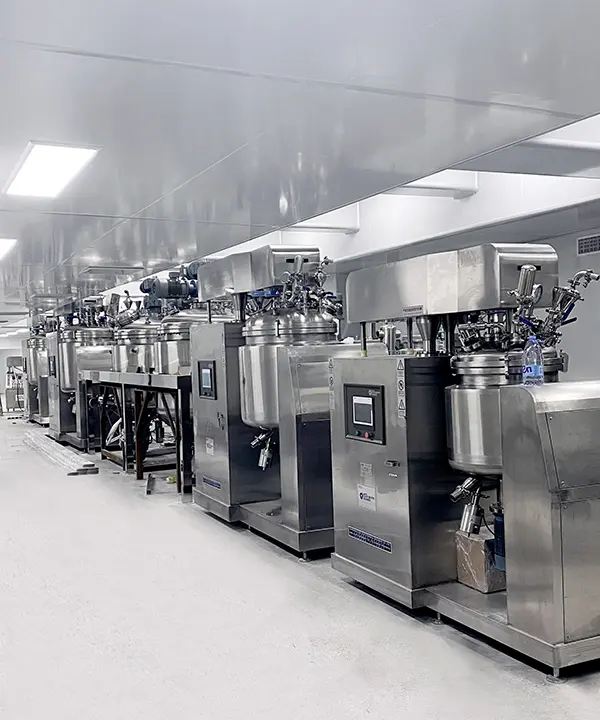
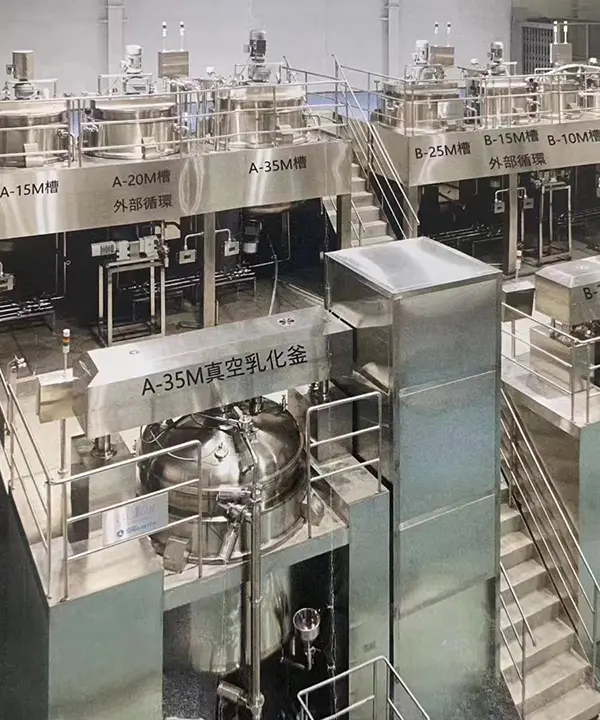
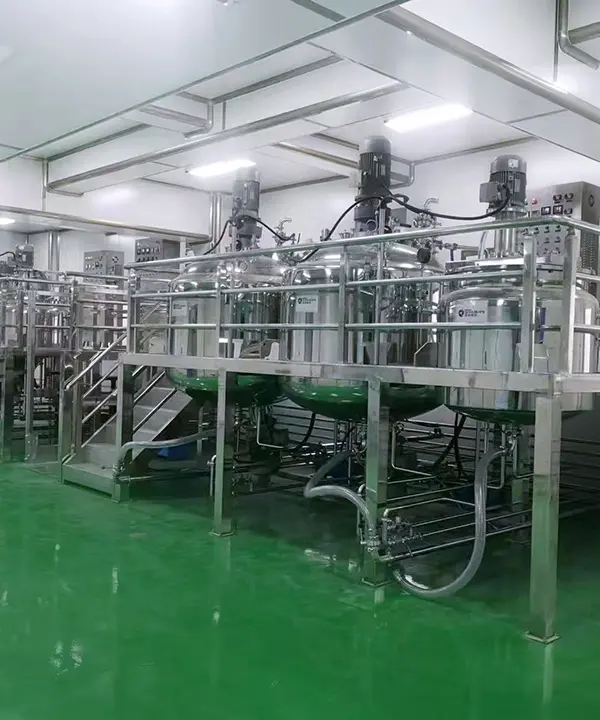
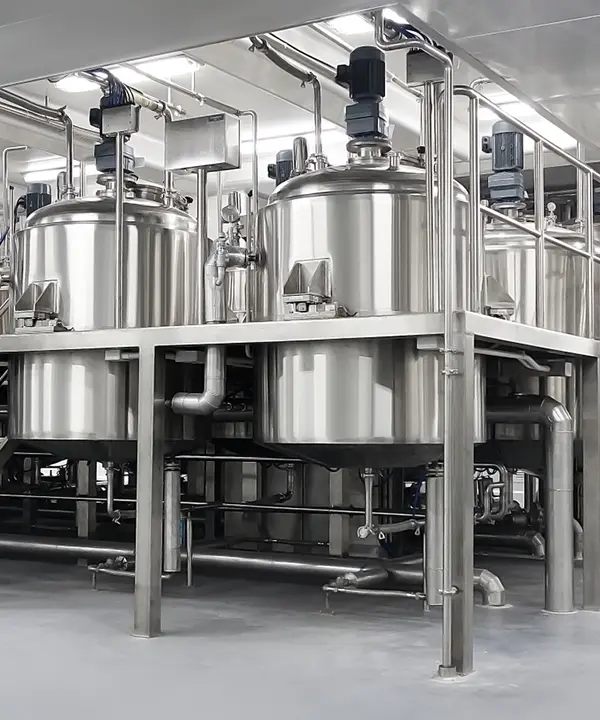
Partner with SINAEKATO for world-class cosmetic manufacturing solutions tailored for the Netherlands market.
Submit Inquiry Now